
You stare at 50 pairs of wireless earbuds online. Each promises better sound or longer battery. Your head spins. Sound familiar?
42% of US shoppers trust online reviews as much as tips from friends or family. Yet confusion hits hard during big buys like gadgets or appliances. This guide shares straightforward steps, free tools, and fixes for common mix-ups. You’ll learn to define needs first, use top comparison apps, follow a pro process, and dodge pitfalls. It fits electronics, clothes, or kitchen gear perfectly. Stick with these tips, and you’ll shop with confidence.
Figure Out Your Must-Haves Before You Start Shopping
Rushing into searches often floods you with options. You end up lost. Start by listing your top needs instead. Pick 3 to 5 must-haves like battery life for earbuds, soft fabric for jeans, or low energy use for washers. Write nice-to-haves on a separate line.
Set a firm budget too. Add a 10% buffer for flash sales. For phones, focus on camera quality over screen size if photos matter most. Washers? Prioritize capacity before quiet operation. Narrow to 2 or 3 brands early. Use site filters for prices, ratings above 4 stars, and reviews from 2025 or 2026. This keeps things clear from the jump.
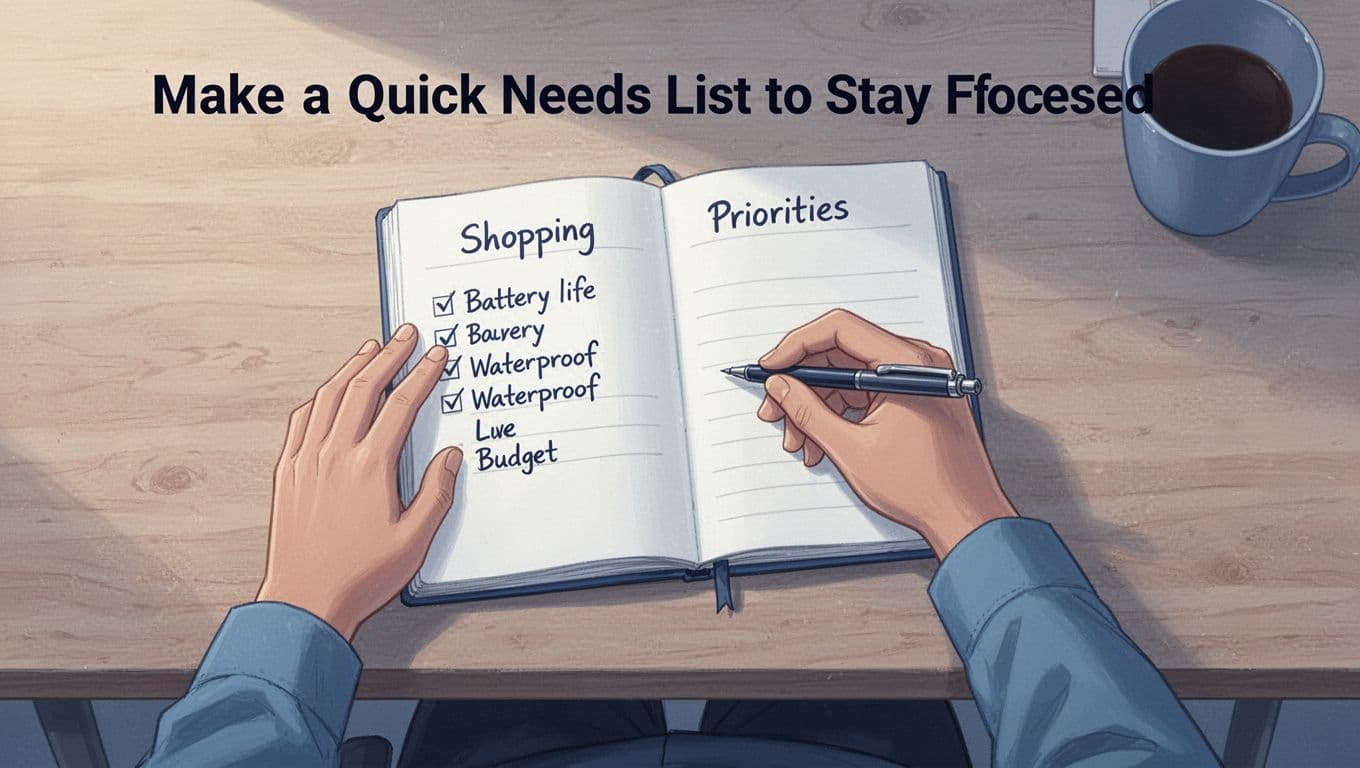
Make a Quick Needs List to Stay Focused
Grab your phone notes app or a scrap of paper. Jot priorities right away. Earbuds need waterproofing? Shirts call for stain resistance?
This simple list cuts options by 80% fast. No more scrolling endless pages. You stay on track because only matching items make the cut.
Pick Your Budget Range and Non-Negotiables
Aim for realistic ranges, like $50 to $100 for headphones. Peak seasons bring drops of about 26% on average. Black Friday often hits electronics hardest.
Check shipping costs and return windows upfront. Non-negotiables lock in focus. Budget over? Walk away. This prevents regret buys.
Grab These Free Tools That Make Side-by-Side Comparisons Simple
Free apps handle the heavy lifting in 2026. Google Shopping pulls price and rating tables from multiple stores. Amazon and Walmart offer built-in compare buttons for gadgets or appliances.
Honey spots coupons, while CamelCamelCamel tracks Amazon price history with alerts. For clothes, check user photos and size charts. AI chats on shopping sites or tools like ChatGPT give quick breakdowns. Ask “earbuds versus AirPods” for instant diffs. Target’s app blends online and in-store views smoothly. These cut research time in half.
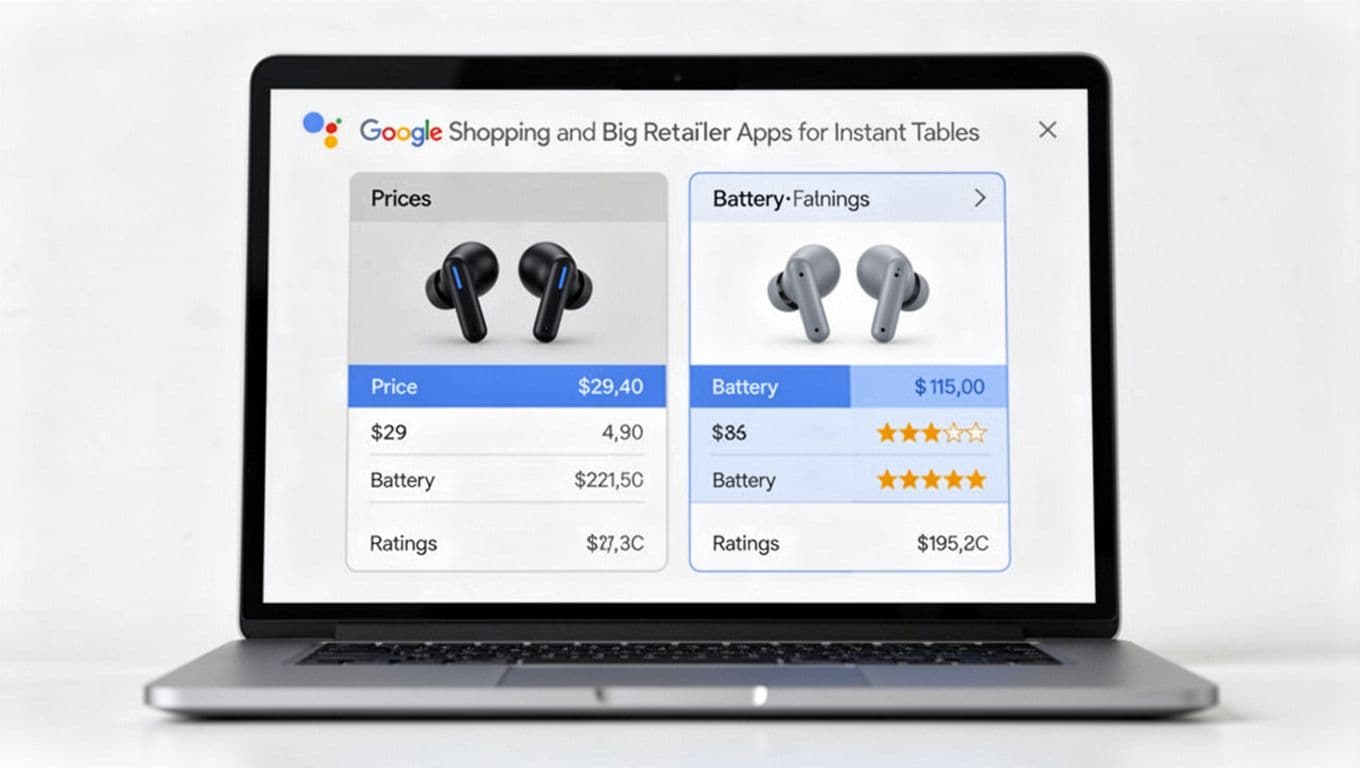
Google Shopping and Big Retailer Apps for Instant Tables
Search your item on Google Shopping. It shows specs, prices, and ratings side by side. Filter by brand, color, or size. Perfect for gadgets or home goods.
Retail apps like Amazon match this power. Toggle compares easily. For details on Google Shopping comparisons, see how it speeds evaluations.
Price Trackers and Review Gatherers to Spot Real Deals
Honey applies coupons at checkout. CamelCamelCamel graphs price drops over time. Set alerts for your target. Learn more in this CamelCamelCamel guide.
Trustpilot aggregates feedback across sites. Filter for verified buys. Skip fake sales by checking history graphs first.
AI Assistants That Answer Your Questions in Seconds
Amazon and Walmart built-in AI summarizes features. ChatGPT handles “best fridge under $800 with ice maker.” It pulls real-time picks.
In 2026, agentic AI from Google or Perplexity compares across stores autonomously. Nearly one-third of shoppers use it. Tools like CompareGenie tailor results to your needs fast.
Walk Through These Steps to Compare Like a Shopping Pro
Narrow to 2 or 3 options using filters first. Build a table in notes or a spreadsheet for specs like weight, warranty, or battery hours. Read recent verified reviews next. Filter low stars for patterns.
Check cheap samples for clothes feel. Verify shipping and returns last. Tailor to your category: tech details for appliances, user photos for outfits. Pros follow this every time.
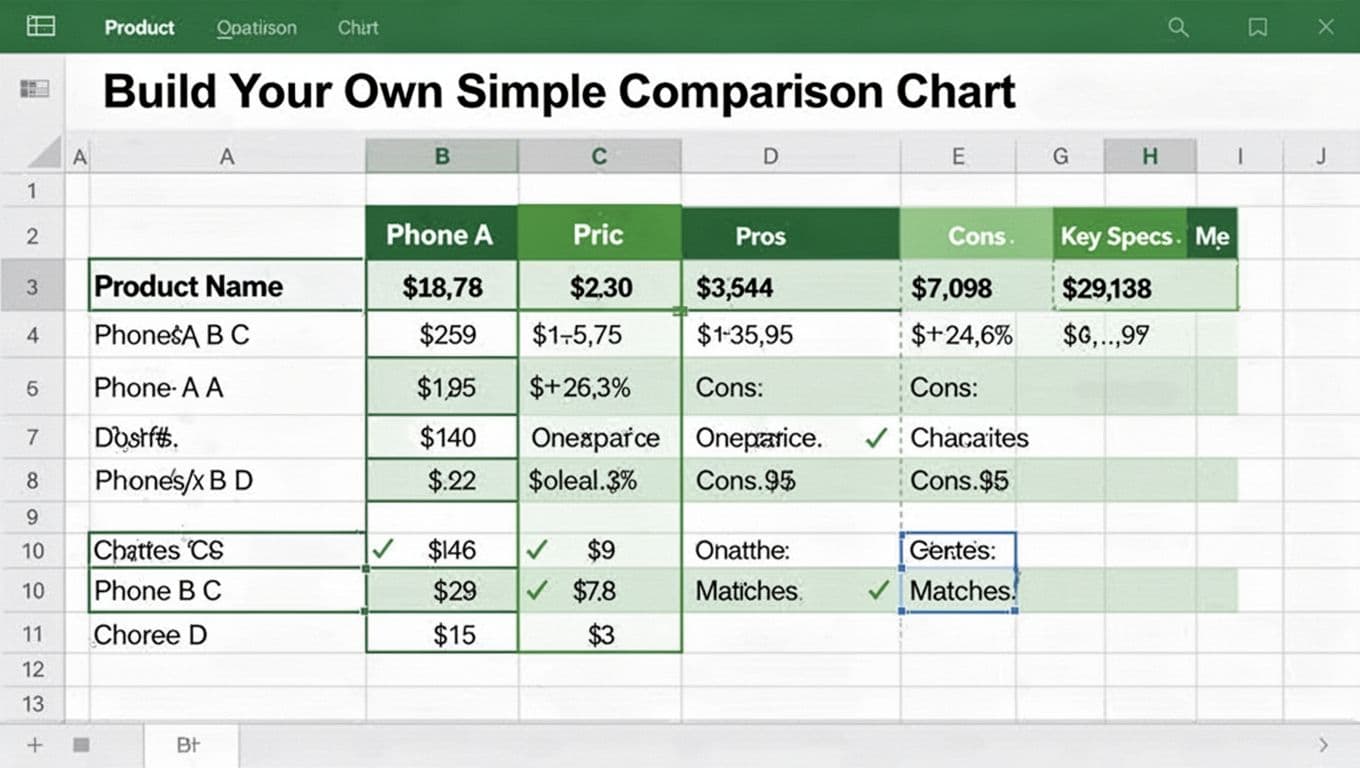
Build Your Own Simple Comparison Chart
Start columns: product name, current price, top pros and cons, match to your needs. Copy specs from pages. Score each on your must-haves.
Focus beats fancy apps sometimes. This chart shows winners clearly.
Hunt for Honest Reviews That Reveal the Truth
Stick to 2025-2026 verified purchases. Scan low-star patterns like “battery dies fast.” Ignore old posts on updated models.
Photos in reviews beat stars alone. Mixed feedback builds trust for 76% of buyers. Use Trustpilot for aggregated insights.
Track Prices and Test If You Can
Run history checks with trackers. Order swatches for fabrics or small gadgets. Feel matters. Returns make testing low-risk.
Skip These Traps That Leave Shoppers Regretting Their Choices
Broad searches like “best TV” bury you in results. Stock photos mislead on clothes fit. Skip filters, and overload hits. Old reviews ignore fixes. No return checks spell hassle.
Fix with specifics: “55-inch 4K TV under $500.” Demand user pics. Filter ratings and price. Check policies, especially holidays. 2026 sites improve review filters for trust.
Don’t Get Buried in Too Many Choices
Specific searches plus top brands narrow fast. Start with filters. Shortlist 3 max.
This fights overwhelm head-on.

Watch Out for Sneaky Fake Deals and Misleading Info
Price trackers expose spikes. Read full specs. Recent feedback uncovers tricks. AI tools flag mismatches too.
List needs, grab tools, run the steps, dodge traps. Next time you hunt headphones or a blender, you’ll save time and cash.
Try these on your current shop. Share wins in comments below. Bookmark now for less stress ahead. AI makes it even simpler in 2026. Happy hunting.