You spot a flashy ad on your phone late at night. Before you know it, you’ve hit buy. 89% of Americans make impulse purchases, and it costs the average person $151 a month, or about $1,812 a year. Millennials regret over half of theirs, at 51%.
These unplanned buys pile up fast. They add financial stress from TikTok hauls or app notifications. Simple planning cuts regrets and saves thousands each year.
You can slash impulse spending by half with smart steps. Next, learn to spot what pushes you to overspend.
Spot the Sneaky Triggers Pushing You to Overspend
Impulse buys sneak up because of emotions and store tactics. In 2026, young adults cite stress in 40% of their quick spends. Happy moods or boredom also play a role. People average six impulse buys a month now, down from 12 last year.
Stores boost sales with end-cap displays. These spots lift purchases by 30%. Warm lights add 10% more buys. Online, mobile shopping drives 60% of impulses.
Notifications trigger 44% of spends for some. One-click checkouts raise buys by 21%. Instagram ups odds by 70%. For details on these trends, check consumer impulse buying statistics.

Emotional Pitfalls That Hit Hardest
Stress hits first. It sparks 40% of young adult impulses. You had a rough day, so you shop to feel better.
Excitement works the same way. A good mood leads to 72% more unplanned buys for some. Boredom drives 32% of Gen Z spends.
Instant joy fuels 52% of these choices. Ask yourself: Do I need this now? Will it fix my mood? These questions pause the rush.
After a bad meeting, picture grabbing new shoes online. That quick high fades fast. Regret follows for 51% of millennials.
Digital and Store Tricks You Fall For Every Time
Apps send push alerts that grab attention. They cause 44% of triggers. Sales banners promise deals you can’t miss.
Free shipping tempts many. Buy Now Pay Later options fuel 61% of big spends in 2026. AI feeds show just what you crave.
In stores, scents sway 16% of shoppers. Lights make items pop. Compare that to app notifications during bed-scrolling.
Millennials make 71% of late-night buys this way. Spot these tricks. Turn away before you click.
Build Your Foolproof Shopping Plan Step by Step
Start with tracking. Apps like Mint or YNAB log every dollar. Set a $50 weekly fun cap. This cuts impulses in half.
Make lists before you shop. Wait 24 to 48 hours on non-essentials. It drops regrets by 70%. Use cash or debit, not cards. Cards triple spending.
Redirect savings to goals. That $1,812 yearly could grow to $25,000 in 10 years at 7% interest. Make a checklist now.
- Track last month’s spends.
- Pick your fun budget.
- Build your first list.

Set Up a Budget That Leaves Room for Fun
Give yourself 10% of income for treats. Gen Z averages $2,640 yearly on impulses. Personalize it to fit you.
Track without stress. Apps auto-categorize. See where money goes each week.
Fun money stays guilt-free. It prevents total bans that fail. Allocate, then stick close.
Higher earners impulse more. Over $100k homes face 15% higher risk. Budget fights back.
Master the Wait Rule and Shopping Lists
Pause and ask: Do I need it? Will I use it soon? Write lists for stores or apps.
Shop after meals. Hunger ups buys by 20%. Full stomach means clear head.
Lists keep you on track. Cross off only what’s there. No adds mid-shop.
This rule works because impulses fade. Wait, and 70% lose appeal.
Lock In Habits That Make Planning Automatic
Daily routines beat urges. Delete shopping apps. Unfollow influencers who push buys.
Log past regrets in notes. Use guest checkout to slow down. Late-night risks hit 40 to 71%.
Consistency drops average 11.3 monthly buys. It pays off debt too. Impulses link to 15% of credit debt.
Experts say habits form in weeks. Start small. Build from there.

Tame Your Phone and Notifications
Turn off alerts first. They spark 44% of buys. Block one-click options.
Go cash-only for runs. Skip sales hunts unless planned. Guest mode adds steps.
Phone stays out during weak times. Evening scrolls lead to trouble.
These changes automate control. You shop less without thinking.
Track Wins and Learn from Slip-Ups
Note every regret and win. Average overspend sits at $76 per buy.
Celebrate cuts. Share with a friend. It builds momentum.
Reviews show patterns. Fix them next time. Debt drops as result.
One in four impulses returns. Track to avoid that cost.
Top Tools and Apps to Supercharge Your Plan in 2026
Mint and YNAB track budgets free. They flag over-spends. Browser extensions block sites.
Impulse blocker for Chrome stops quick browses. It sets limits on shopping pages. AI agents check value now, used by 60%.
These cut store urges by 40 to 80%. Shop with lists auto-built.
For app picks, see best budget apps for 2026. Extensions like Impulse website blocker add focus.
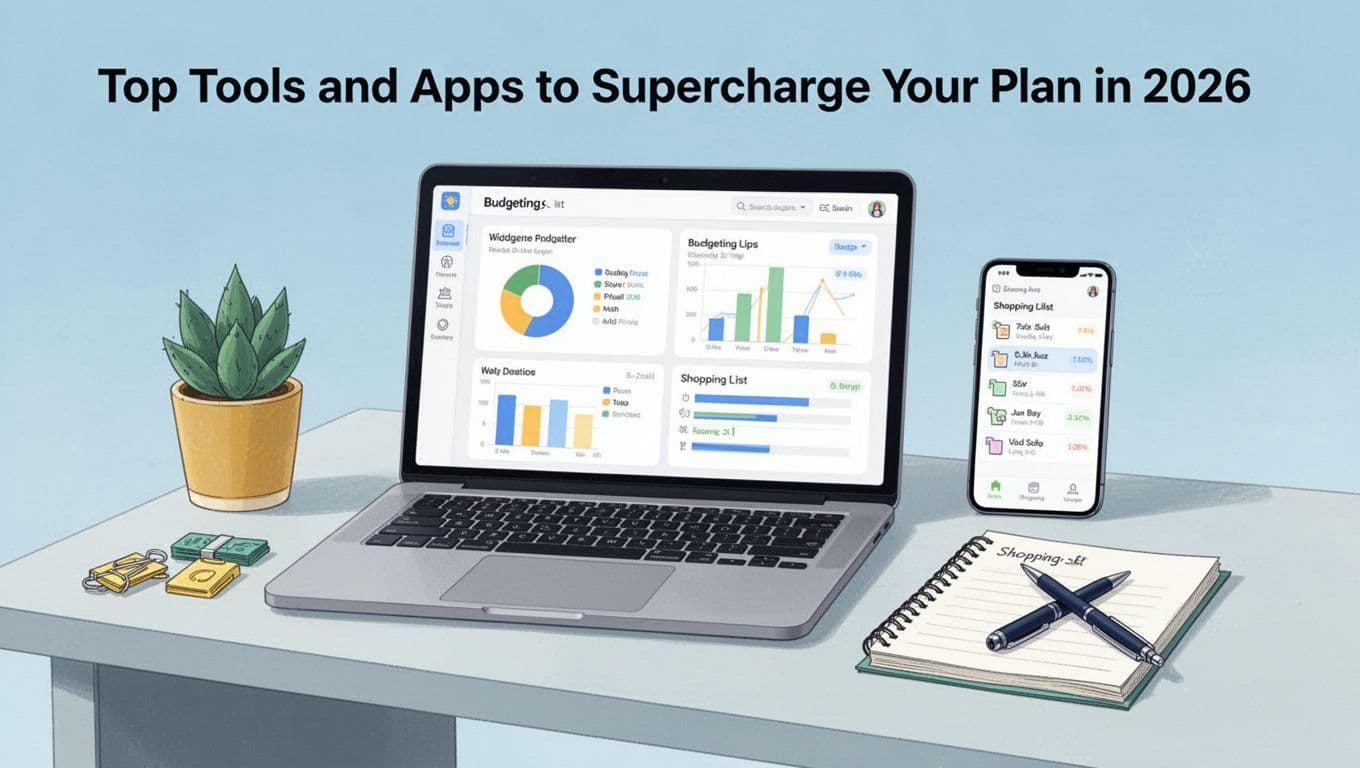
Apps automate waits. They remind you of goals. Pick two that fit.
Start with free ones. Test for a week. Savings add up fast.
Spot triggers, plan ahead, and build habits. You save over $900 yearly easy.
Pick the wait rule today. Try it on your next urge. Share your wins in comments below.
Financial freedom waits. No more regrets. You got this.