You stared at those limited-edition sneakers on Nike’s site, heart racing as the timer ticked down to zero. You almost clicked “buy” without a second thought. That’s a classic scarcity trick at work.
Marketers pack ads with psychology hacks like these to nudge you toward purchases. You don’t notice, but they tap your fears and desires. Spotting common marketing tricks to influence buyers lets you shop smarter amid 2026’s AI-fueled ads.
This post breaks down 10 top tactics, from Amazon’s personalization to Starbucks’ social proof, with real examples. Knowledge arms you against the brain shortcuts they exploit, so read on and take control.
How Scarcity and Urgency Make You Hit Buy Now
You spot a product you want, but a red banner screams “Only 3 left!” Your pulse quickens. You click buy before thinking twice. Scarcity and urgency fuel this fear of missing out (FOMO), so your brain screams to act now. Marketers love these tricks because they spike sales fast. For example, Amazon’s holiday flash sales in 2026 clear inventory quicker than regular weeks, with events like Cyber Monday dropping lightning deals every five minutes. Yet, you can fight back. Pause, breathe, and check facts.
Scarcity: Why ‘Limited Stock’ Feels Like a Must-Have
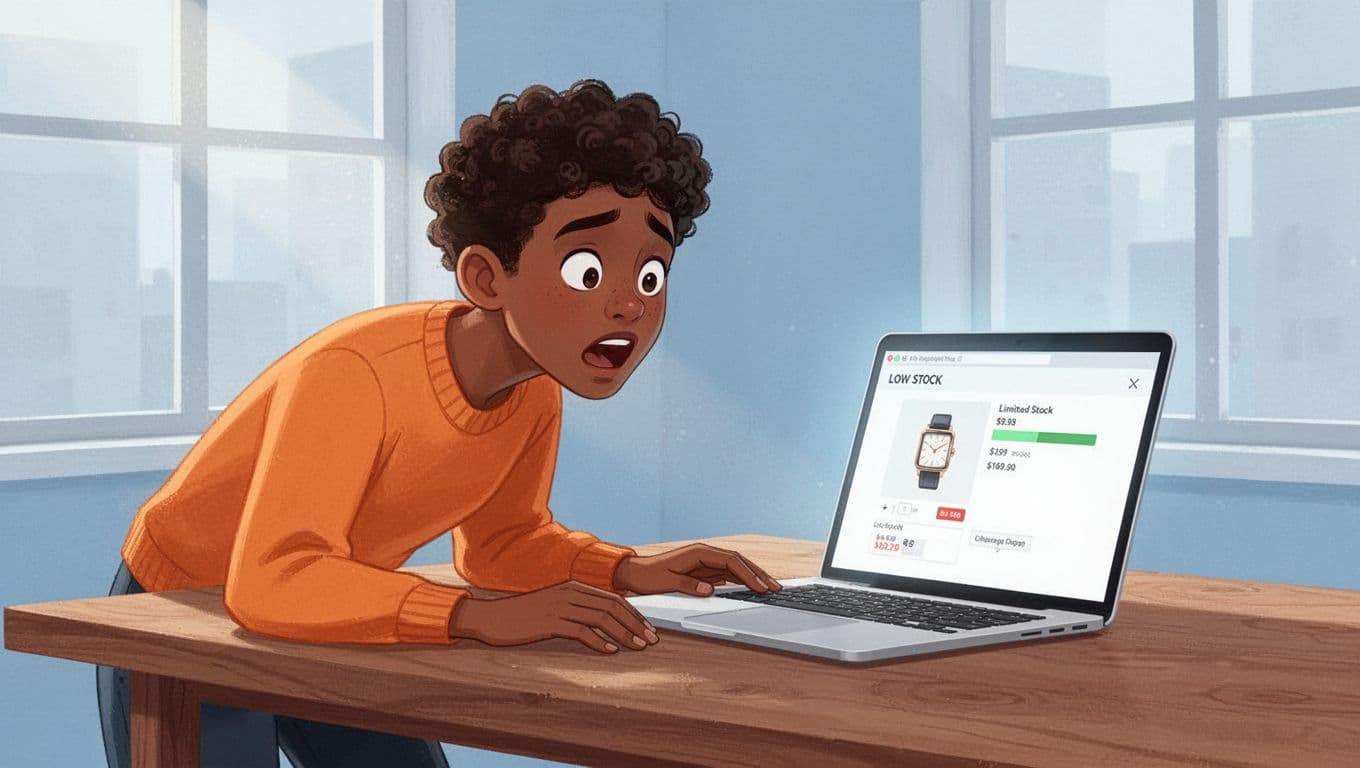
Low stock warnings hit hard. They trigger FOMO, that gut punch of losing a deal forever. Amazon nails this with “Only 3 left!” during holiday rushes. Shoppers rush in, fearing empty carts later.
Why does it work? Your brain values rare items more. Studies show scarcity amps perceived worth, blending with loss aversion where losses hurt twice as much as gains please. In 2026, Amazon’s Black Friday tactics pushed Cyber Monday spending past $14 billion, up 6% from before.
Marketers gain big here:
- Clears old stock fast.
- Boosts impulse buys by 20-30% in tests.
- Builds hype for launches.
To counter, search the item elsewhere. Sites like Walmart often stock more. Always verify real limits before panic buying.
Urgency: Racing Against the Clock in Flash Sales
Timers add pressure. A countdown to midnight forces snap choices. Amazon Prime Day shines here, with deals vanishing in hours. Your logic fades; excitement takes over.
App push alerts worsen it. “Sale ends soon!” pops up mid-scroll. This overrides calm thought because urgency mimics real threats. Research on scarcity and urgency messaging proves it speeds purchases.
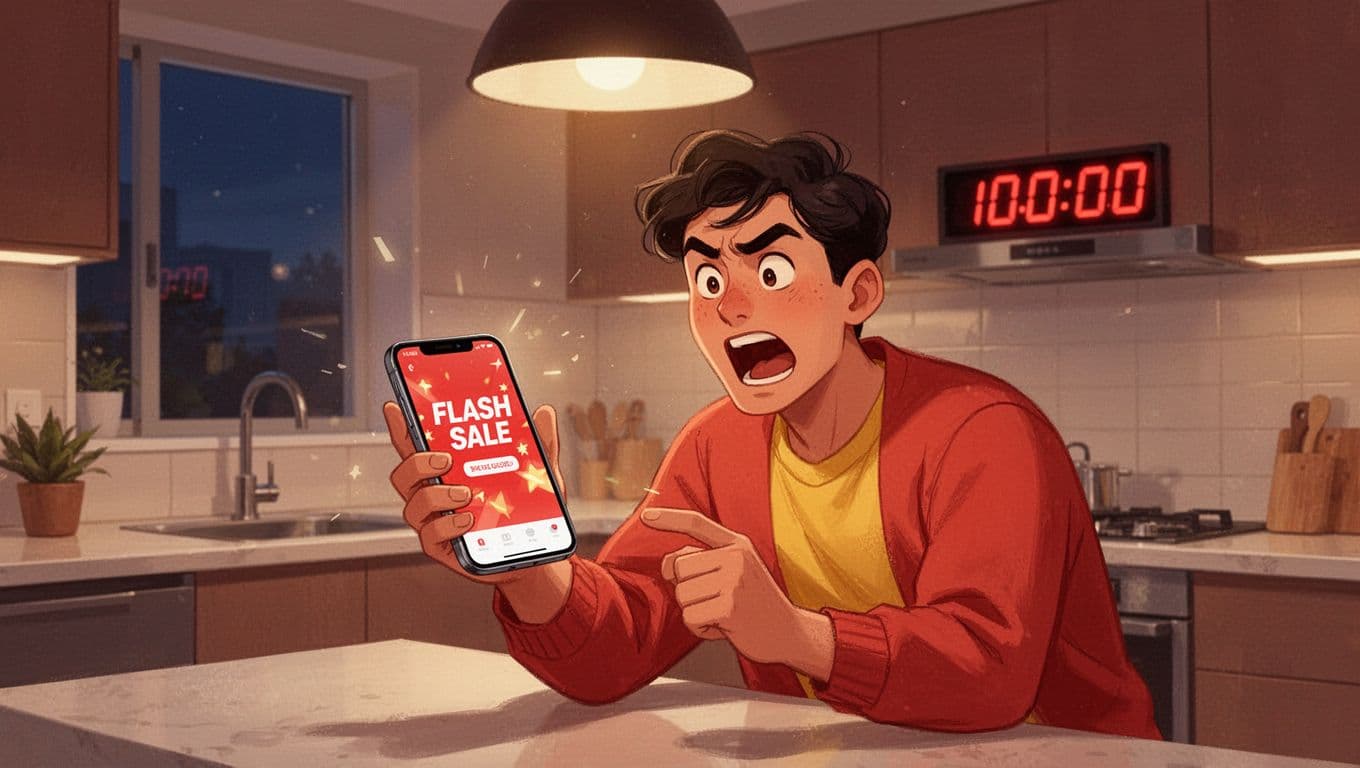
In 2026, Amazon’s six-week holiday pushes, like Prime Big Deal Days, mix timers with Prime delivery speed. Mobile sales hit over 55%, fueled by these hacks.
Breathe first. Ask if you need it now. Most deals return later.
Anchoring: That ‘Discounted’ Price That Seems Too Good
Brands flash a high “original” price next to a low sale tag. Suddenly, $50 off $100 feels like a steal. Shein masters this in fashion drops, listing inflated “was” prices to anchor your eyes.
The first number you see sets the bar. Discounts look huge by comparison. Loss aversion kicks in again; you hate paying full price more than skipping a “bargain.”
Shein’s tactics pull crowds, but real savings? Often slim since originals inflate. Calculate true value: compare market averages on Google Shopping.
Next time, ignore the anchor. Research fair prices first. You shop smarter that way.
Following the Crowd with Social Proof and Authority
Ever bought something just because everyone else raved about it? You follow the crowd for good reason. It feels safe. Our brains use social proof as a shortcut to decide what’s trustworthy. When others like a product, you assume it’s solid. This herd mentality saves time in a noisy world. Marketers bank on it heavily. They layer in authority figures and network effects to pull you deeper. As a result, you buy faster. In 2026, real employee stories beat paid ads for trust. Spot these tricks, and you shop wiser.
Social Proof: When Reviews and Likes Seal the Deal
Stars and testimonials sway you quick. A 4.8-star rating with hundreds of glowing words? You trust it. Positive feedback acts like a crowd vote. Fake ones mimic this too. So, brands flood sites with them.
Starbucks nails it on TikTok. Baristas post fun clips of drink hacks and daily chaos. These videos rack up millions of views and 15% engagement rates. Fans comment “Trying this now!” which sparks chains of replies. For example, #StarbucksHacks hit 2 billion views in 2026. Real staff tips build trust over slick ads. Comments drive 30% more store visits, per reports.
Look for patterns in feedback, though. Real reviews mix praise with small gripes. All perfect? Dig deeper. Check verified buyers only. That cuts through fakes.
Authority: Trusting Experts and Insiders
You trust pros and insiders fast. An expert endorsement or staff shoutout feels legit. Celebrities work too. Their glow rubs off via the halo effect, where one strong trait boosts the whole brand.
Patagonia taps this with adventure influencers. Creators like @WesWherever share epic trips in their gear. Sponsored posts highlight eco-focus and durability. Women lead 63% of these partnerships, pulling high engagement from US fans. Staff stories shine in 2026, with real endorsements over polished promos.
Why the pull? Authority signals quality. You shortcut doubt. Learn more about the halo effect in marketing. Next time, ask who benefits. True experts share balanced views.
Network Effects: Products That Get Better with Friends
Apps and tools shine brighter with friends aboard. Each joiner adds value for all. You hop in because your circle pulls you. Social ties lock you tight.
BeReal thrives here. Daily photo prompts work best in close groups. It hit 40 million monthly users by 2025, with 72% of posts getting reactions. Friends make it addictive. No algorithms, just real shares. Growth slows without viral hype, but loyalty sticks. In 2026, creator pushes aim to expand those circles.
Does your crew use it? That’s the hook. Value snowballs as more join. Check if it fits your life first, not just the buzz.
Personal Touches That Make You Feel Seen and Owe Something
Brands make you feel special or indebted with smart touches. These tactics hit deep because humans crave connection and fairness. Personalization spots your habits. Reciprocity gives freebies first. Stories pull heartstrings. You buy to match that warmth. In 2026, 81% of Gen Z prefers personal ads that fit their lives. Yet, these tricks nudge spending. Spot them, and you decide freely.
Personalization: Ads That Know You Too Well
Nike’s app scans your purchase history. It suggests running shoes in your size after past buys. You feel seen, like they get your routine. This boosts loyalty because tailored picks match real needs.
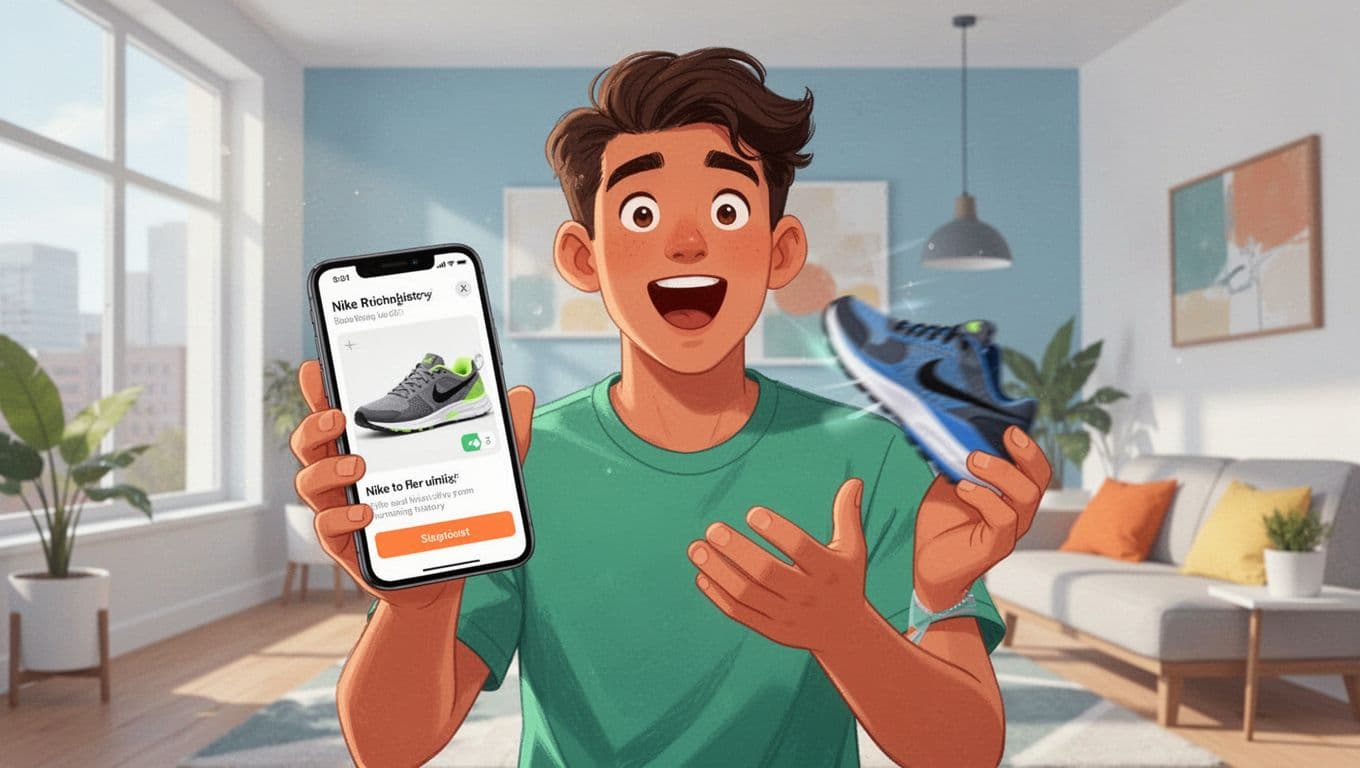
Your brain loves the nod. It skips generic ads. Nike mixes history with workout data for custom feeds. Runners get race gear tips. However, it tracks deeply, so check privacy settings. Brands like this use data for engagement. Ask yourself: does this ad truly fit me, or just chase sales?
Real spots include:
- Custom shoe previews for Gen Z runners.
- Workout plans tied to old orders.
- Early drops based on basketball sneaker habits.
Pause before clicking. Compare options elsewhere.
Reciprocity: Free Samples That Lead to Purchases
Companies give first to spark payback. A free trial creates that pull. You feel obliged, so you stay paid. Your brain follows the obligation rule from social norms.
YouTube Premium offers one-month trials. Enjoy ad-free views, then it nudges to $13.99 monthly. Partners extend to three months on devices. Many stick because the gift lingers.
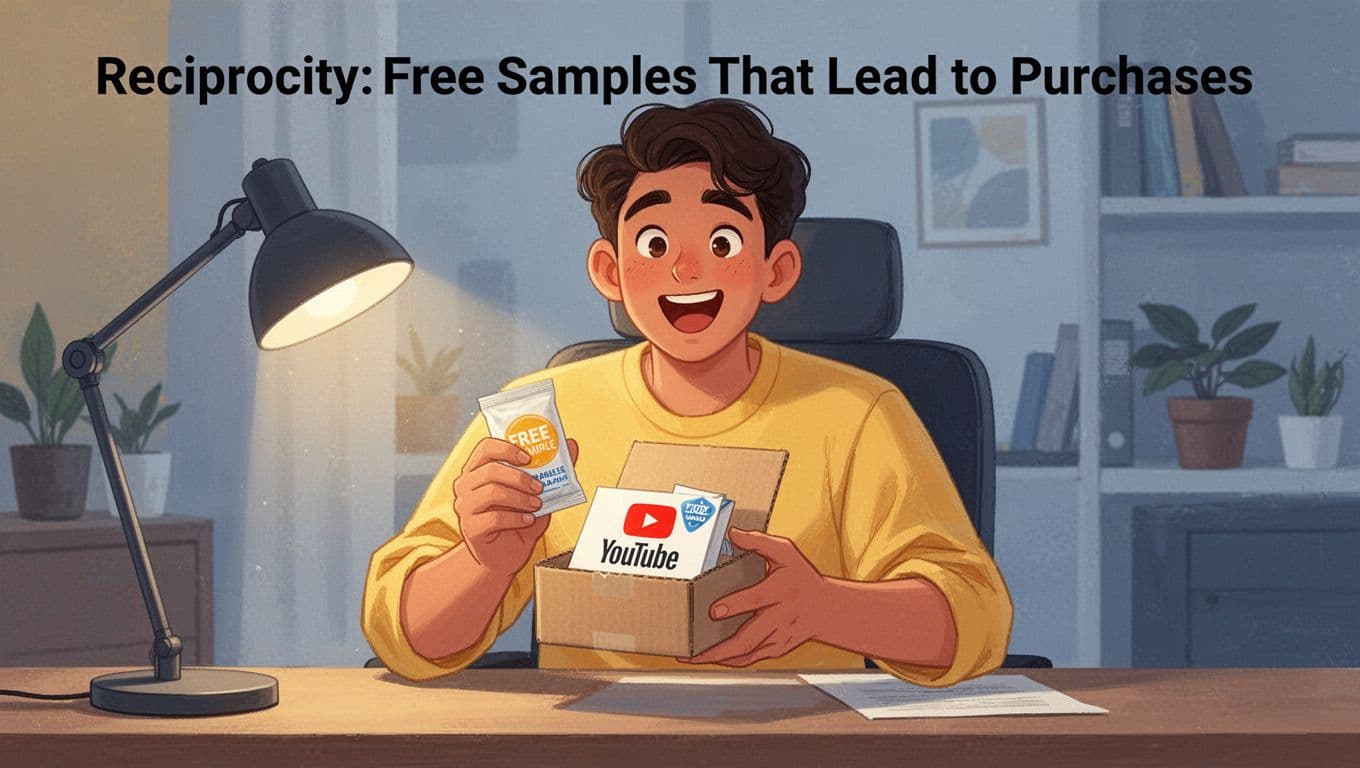
This works because we repay favors. Trials build habits fast. Reciprocity boosts freemium success. Set reminders to cancel if it does not fit. Test value before auto-bills hit.
Common examples:
- Streaming no-ad weeks leading to subs.
- App quizzes with free plans.
- Partner device perks for longer access.
You control the cycle. Weigh if you need it long-term.
Emotional Storytelling: Stories That Tug at Your Heart
Raw tales beat slick ads. Employee vlogs share real struggles. You connect, trust grows, and buys follow. Patagonia leads with honest worker videos.
Their “What We Do” series shows staff on trails. They admit fixes needed, like repair stats. Viewers feel the passion, not polish. This pulls emotions over features.
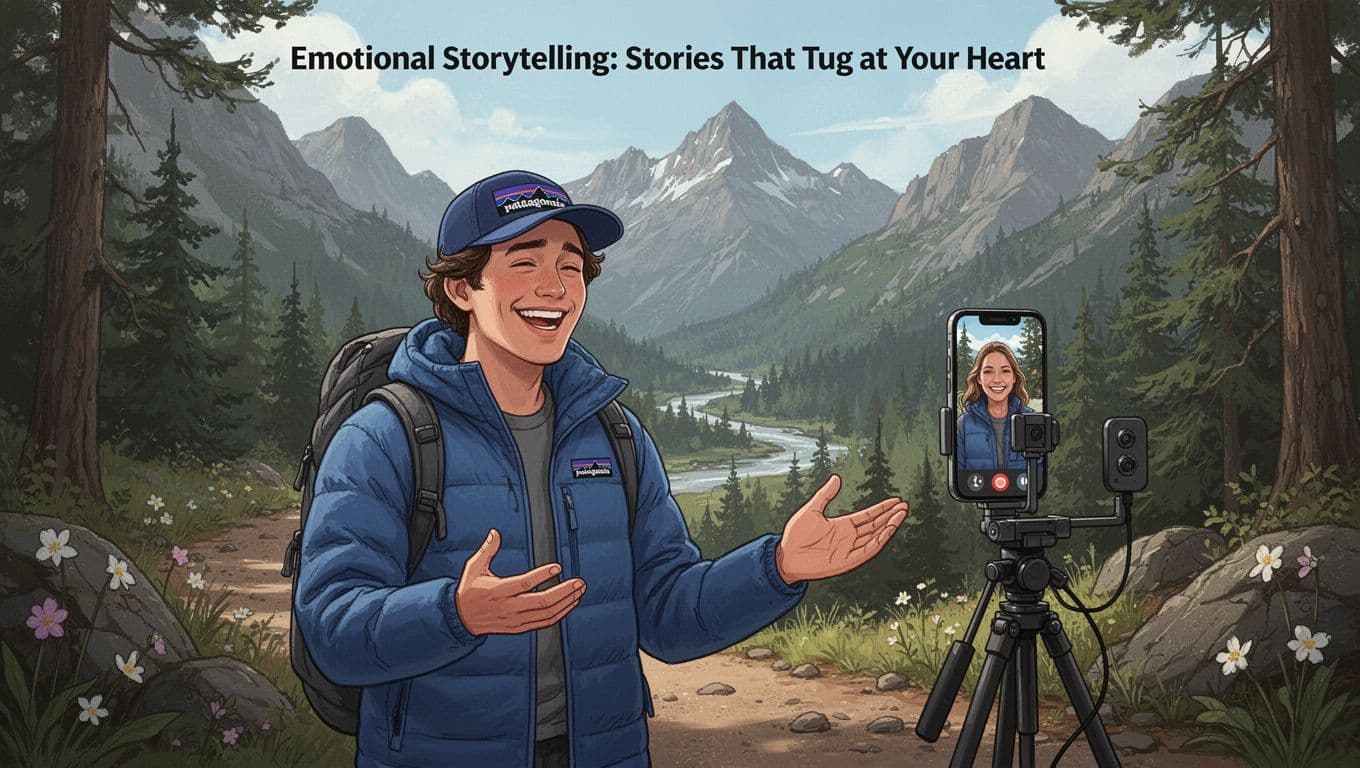
Stories work because we bond over humans. Employees volunteered 27,000 hours; numbers hit home. Check Patagonia’s video series for proof. Does the tale match facts, or just sell?
You spot these in:
- Staff repair tales online.
- Activism clips from insiders.
- Honest progress reports.
Feel the tug, but verify claims. You choose based on truth.
Tech Tricks Like Games and AI Predictions Keeping You Hooked
Brands grab your attention with game-like fun and smart guesses about your wants. These tactics spark joy or surprise, so you stick around longer. Gamification rewards your actions. AI predictions feel almost magical. Both boost repeat buys in clever ways. However, they can lead to overspending if you don’t watch out. Let’s break them down.
Gamification: Turning Shopping into a Fun Game
You open the Starbucks app and scan for your latte. Stars pop up instantly. A badge unlocks for your tenth visit. Suddenly, shopping feels like a game, complete with points and levels. This setup releases dopamine hits, much like Duolingo streaks keep you learning daily. Brands use it because fun drives habits.
Starbucks Rewards shines here. It boasts 35 million active U.S. members in 2026, who account for nearly 60% of company-operated revenue. Members spend three times more than others and visit more often. New tiers rolled out on March 10: Green for basics, Gold after 500 Stars, and Reserve at 2,500 Stars with better rates. Progress bars and surprise bonuses make every purchase exciting. Perks like free drinks or exclusives reward loyalty.
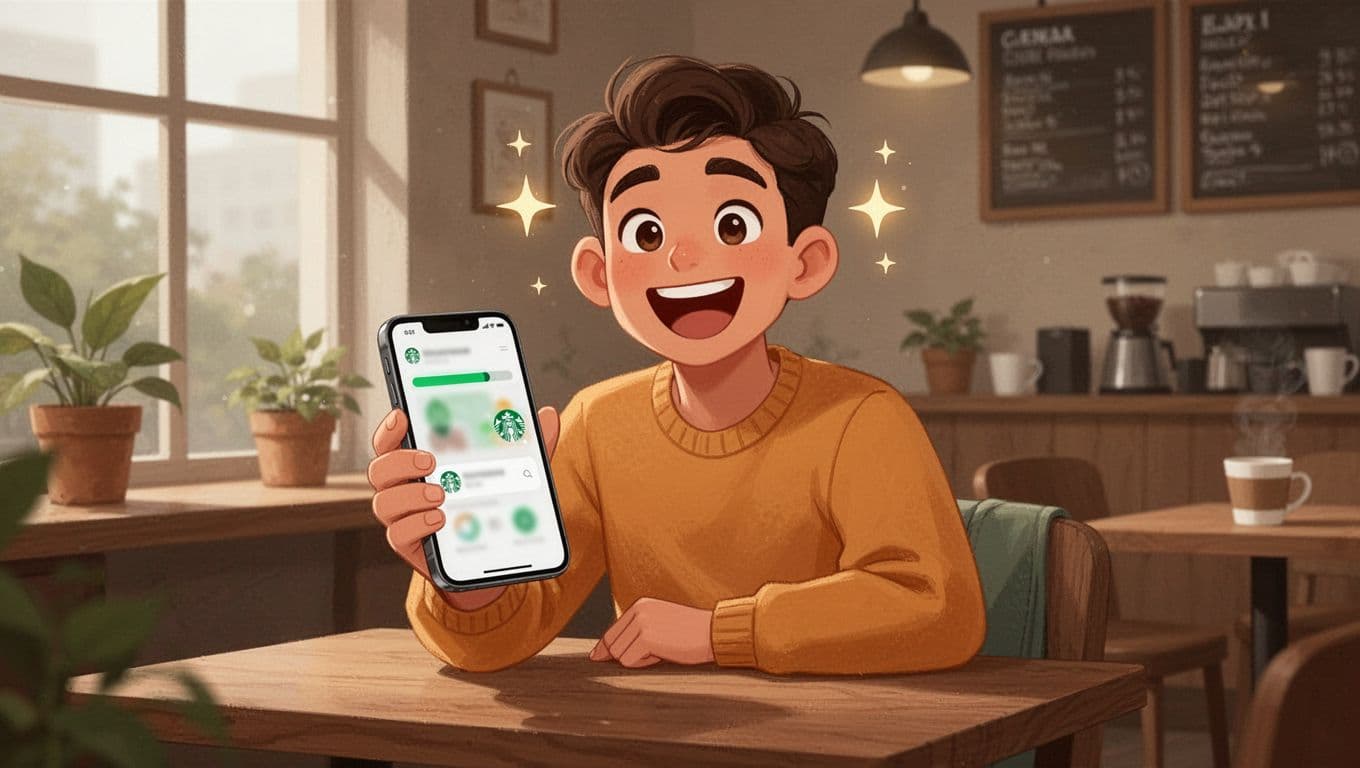
Pros include higher engagement and clear repeat visits. Yet, it risks addiction, as you chase levels over needs. For example, Starbucks’ tiered program with AI ordering pushes more app use.
Set limits to stay in control. Decide a monthly spend cap before playing. Check if rewards match your budget. You enjoy the game without the bill shock.
AI Predictions: Guessing Your Next Buy Before You Do
Amazon suggests socks right after you buy shoes. A pop-up predicts your craving before you search. AI scans your history, clicks, and even weather to forecast needs. It feels creepy yet spot-on, pulling you to add to cart fast.
This works because predictions save time and spark curiosity. In 2026 U.S. e-commerce, AI lifts revenue up to 300% and conversions by 150%. Amazon attributes 35% of sales to these suggestions. Sites reach 90% accuracy with real-time data. Hyper-personalization tweaks offers on the fly, speeding buys by 47%.
Netflix-style “You’ll love this” shows up in shopping too. Shopify’s generative recommender reads your full journey, from views to past carts. However, it tracks deeply, so review privacy often.
Common tactics include:
- Pop-ups for bundle deals based on habits.
- Email previews of weather-matched gear.
- Chat agents that shop for you.
Counter it by pausing. Ask if the guess fits your real plans. Compare prices elsewhere first. You reclaim the choice.
Conclusion
You now spot the top marketing tricks that influence buyers, from scarcity and urgency timers to social proof, authority nods, and network pulls. Personal touches like AI personalization and reciprocity freebies join emotional stories, gamification rewards, and predictive guesses. These grouped tactics, amped by 2026 trends such as employee influencers and AI boosts (37% more buys from tailored recs), nudge decisions fast. Yet, awareness hands you control, just like pausing on those Nike sneakers in the intro.
Next time a flash sale pops or a personal ad hits, pause and think. Here are five quick ways to resist:
Wait 24 hours on urgency claims; most deals return.
Verify social proof with real user mixes, not just hype.
Question AI predictions: does it truly fit your needs?
Compare prices across sites for true value.
Set spend limits to ignore gamified chases.
Share your tricked story in the comments below. Subscribe for more guides on smart shopping in 2026’s ad world. You shop wiser now.