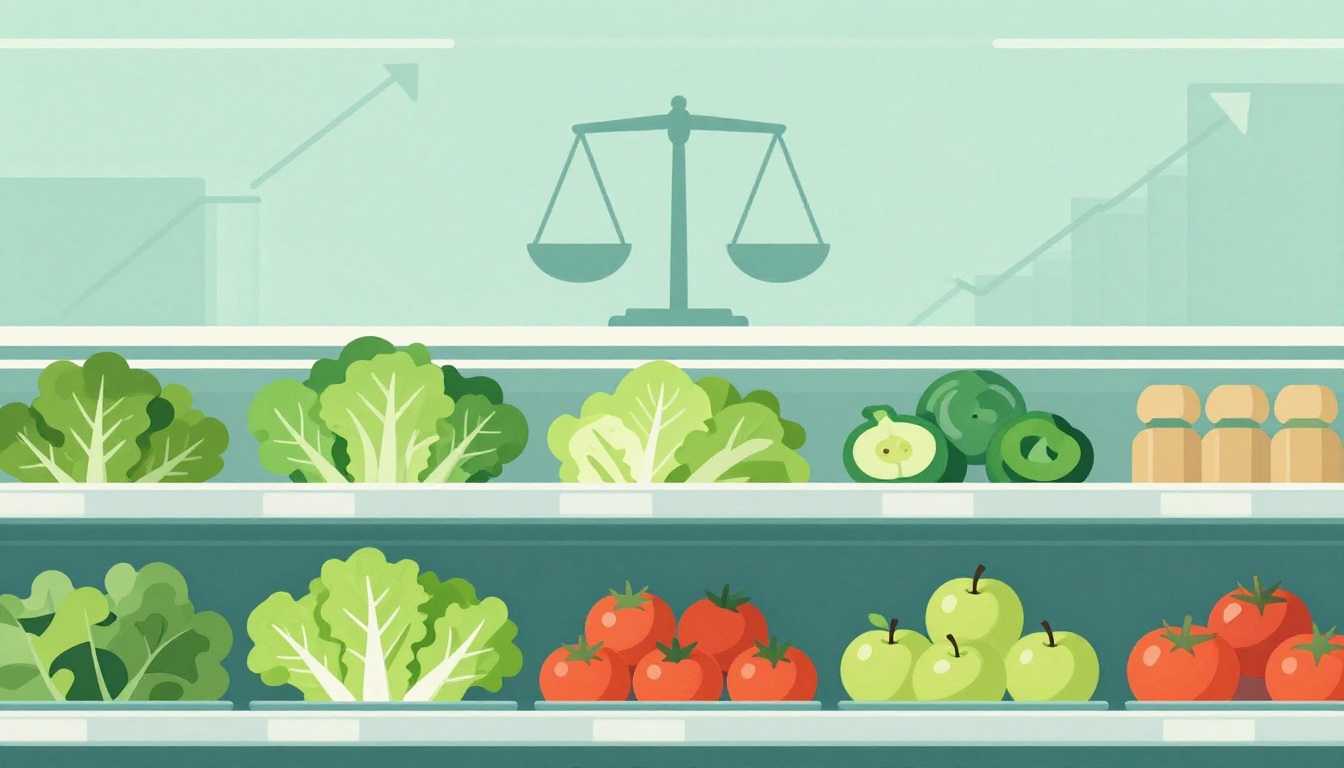
You walk into the grocery store and spot lettuce. Its price jumped along with other fruits and vegetables, up 2.7% over the past year ending February 2026. Food at home costs rose 2.4% in that time, hitting your wallet harder than overall inflation at 2.4%. Why does this happen? Bad weather cuts supply, or more people want the same items.
Understanding how prices are set and why they change lets you budget smarter. You spot deals during low-demand times and avoid shocks from global events. This knowledge helps you save on groceries, gas, and housing.
We start with supply and demand, the core force. Then we cover production costs and competition. Next come real 2026 shifts from inflation, wars, and tariffs. Finally, tips help you navigate it all.
Supply and Demand: The Basic Rule Behind Every Price Tag
Supply and demand sets most prices. Sellers offer goods based on supply. Buyers create demand. When supply drops or demand rises, prices climb.
Think of concert tickets. A hot band sells out fast. Fans bid higher. Supply stays low, so prices soar. The same happens with ice cream in summer. Everyone wants it. Stores raise prices because demand spikes.
Graphs show this simply. One line tracks supply; it slopes up. Another shows demand; it slopes down. Where they meet sets the price. If supply falls, the line shifts left. Prices rise. High demand shifts it right. Prices go up too.
In groceries, weather hurts crops. Fruits and vegetables rose 2.7% year over year to February 2026. Less lettuce means higher tags. Housing works the same. Too few homes chase many buyers. Rents and mortgages climb.
For details on the US housing supply gap, check Realtor.com’s 2026 report. It shows over 4 million missing homes. Buyers compete. Sellers pick top bids. Prices jump as a result.
Seasonal demand hits too. Coats cost more in winter. Swimsuits rise in summer. Businesses watch these shifts closely.
Real-World Supply Shocks in Groceries and Housing
Weather shocks groceries now. Fruits and vegetables up 2.7%. No exact lettuce numbers, but the category covers it. Tomatoes follow suit. Supply drops from storms or droughts.
Housing faces a bigger crunch. Shelter costs rose 0.2% just in February 2026. It’s the top driver of monthly inflation. New homes lag household growth. Gen Z and millennials add 1.8 million potential buyers yearly. Builders can’t keep up.
Buyers bid against each other. Homes list high. Offers pile up. Winners pay more. This cycle locks out first-timers.
Spot these spikes early. Watch crop reports for food. Check inventory lists for homes. Low stock signals rising prices. Buy ahead if you can.
Production Costs: How Making and Shipping Stuff Adds to the Bill
Prices reflect production costs. Businesses pay for materials, labor, energy, and shipping. They pass these on to you.
Picture a pizza shop. Flour costs rise. Cheese jumps too. Oven fuel adds up. The owner hikes slice prices to cover it. Everyday items work the same.
Energy hits hard. Crude oil topped recent highs from the US-Iran war. Gas averages $3.32 per gallon now, up 21 cents yearly. Every $10 oil rise adds about 25 cents to gas. Refining takes 15% of pump price.
This ripples everywhere. Fertilizer costs more for farmers. Plastics for packaging climb. Food prices follow. Overall energy up 0.5% yearly.
Tariffs added pain in 2025. They boosted import costs 1.3-1.4%. Some passed to durable goods. See Yale Budget Lab’s tariff tracking for details.
Ever notice gas swings? Fill up mid-week. Shop local to cut shipping fees.
Energy and Raw Materials Driving Up Everyday Costs
The Iran war spiked oil. Brent and WTI surged. Gas nears 400 cents in spots for summer. Chemicals and metals rose too.
Diesel fluctuates. It hauls your groceries. Aluminum and copper disruptions add to cans and wires.
Food feels it. Fertilizer ties to oil. Groceries up 2.4% at home. Here’s a quick breakdown:
| Cost Factor | Impact on Prices | Example |
|---|---|---|
| Oil Surge | Gas +21 cents/gal | Higher trucking |
| Fertilizer | Food +2.4% | Crop inputs |
| Refining | 15% of gas price | Pump totals |
These add up fast. Watch energy news. It predicts your next bill.
Competition: Why More Sellers Can Mean Lower Prices for You
Competition forces lower prices. Rival sellers cut tags or add value to win you over.
Tech gadgets prove it. Many makers flood the market. Phones and TVs drop yearly. Buyers shop around. Sellers match or beat offers.
Tariffs hurt this. They raised durable goods 1.4%. Fewer cheap imports mean less rivalry. Prices stick higher. Some 2025 tariffs got repealed, but damage lingers.
Monopolies charge more. One seller sets high tags. No pressure to drop. Wars cut suppliers too. Less choice means higher costs.
AI changes this. It boosts efficiency long-term. More output, lower per-unit costs. Seek crowded markets for deals. Compare online. Apps show rivals fast.
Why Prices Change: Inflation, Global Events, and Shifts in 2026
Prices shift from many forces. Inflation runs at 2.4% yearly to February. Unemployment hit 4.4% that month. Job losses reached 92,000 from weather and strikes.
Global events dominate. The US-Iran war echoes 1970s shocks. Oil jumps push everything. Supply chains snag. Tech advances cut some costs. Seasons swing others.
Tariffs added 1.3% to imports last year. Repeals eased some. Government issues skewed data too.
Inflation and Energy Spikes from the Iran Conflict
Iran war drove oil over highs. Gas at $3.32 average. Expect near 400 cents in Q2-Q3. Energy up 0.5% yearly, but February saw +1.1% in commodities.
Chemicals climb. Metals follow. Inflation ticks higher. Goldman Sachs warns of bigger rises. For impacts, read Fox Business on inflation risks.
Businesses pass it on. You pay at pumps and stores.
Groceries and Food Price Jumps You Saw This Year
Food rose 3.1% overall. At home, +2.4%. February alone gained 0.4%. Fruits and vegetables led at +2.7%.
Oil hits fertilizer. War drives that. The Fortune article on grocery bills explains the chain. Weather added pressure too.
Coffee up 1.7%. Basics sting most.
Housing, Tech, and Tariff Effects on Big Purchases
Housing stays tight. Supply gap over 4 million homes. Shelter up 0.2% monthly. Weak dollar worsens it.
Durable goods rose 1.4% from tariffs. Tech holds steady. AI promises drops ahead.
Big buys wait for dips.
Supply, demand, costs, and competition set prices. Changes come from inflation at 2.4%, Iran war oil spikes, food jumps like fruits at 2.7%, and tariff hits on durables.
Track oil news and wars. They signal gas and food shifts. Shop sales in low seasons. Budget extra for 2.4% inflation. Compare sites for rivals.
Tech like AI cuts future costs. Stay ahead. Share your price stories in comments. What shocked you most this year?