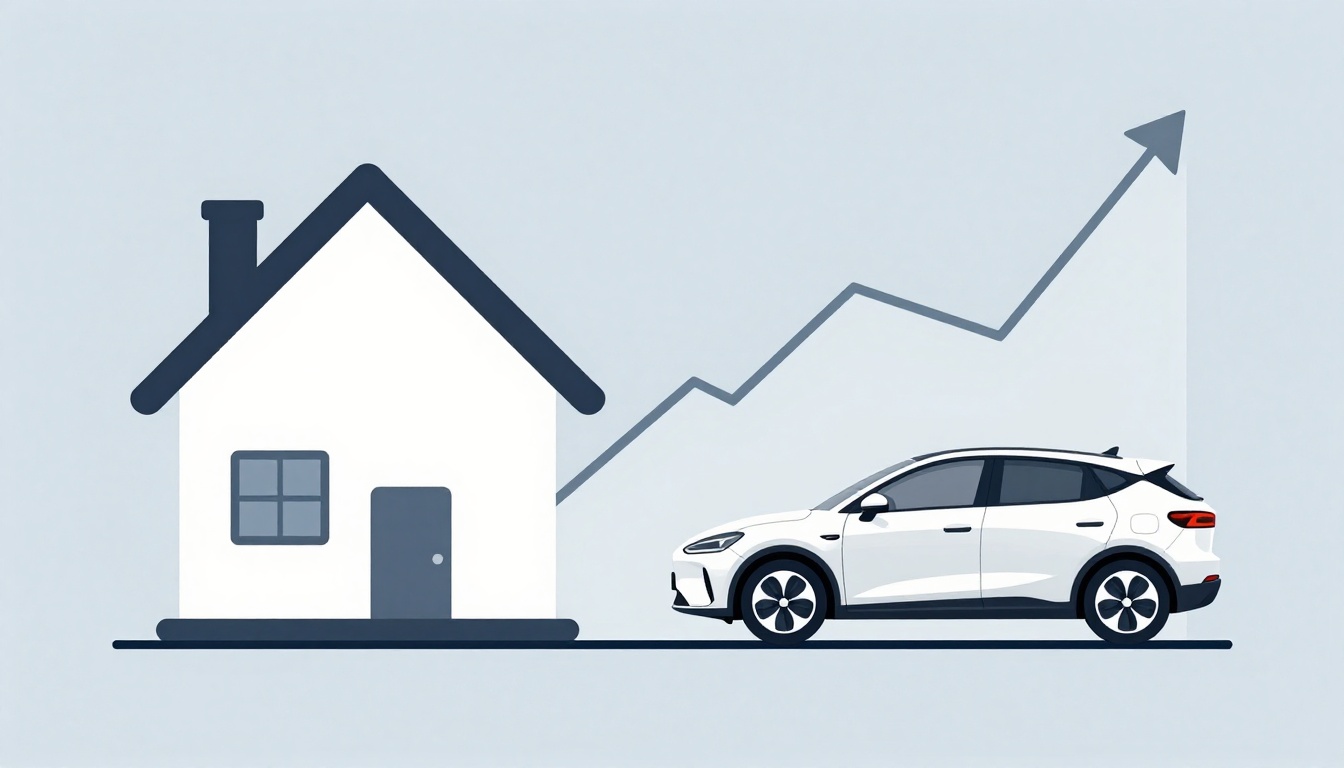
Picture this. You spot the perfect car or house. Prices feel high. You wonder if inflation will cool or rates drop soon. In March 2026, PCE inflation hit 2.8% year-over-year. Core PCE climbed to 3.1%, the highest in nearly two years. The Fed funds rate stays at 3.5-3.75% with no cuts in sight.
Sticky inflation and an expected oil shock from Middle East tensions push costs up. Experts say wait on big buys like homes and cars if you can. Yet appliances or tech might make sense now. This guide walks you through personal finances first. Then economic signals. Finally, your purchase type.
You will weigh needs against trends like potential late-2026 rate tweaks and rising energy bills. No crystal ball exists. But clear steps help you choose.
Start with Your Own Money Situation
Focus on your wallet before market buzz. Personal readiness matters most. High debt or no savings? Waiting beats rushing, even if rates ease. Unemployment hovers around 4.2-4.6%. Consumer spending slows. Stability comes first.
Calculate your budget. Check debts. Build a safety net. Credit score affects loan terms. These steps ground your choice.
Run the Numbers on Your Budget and Debts
Grab a notepad or app. List monthly income. Subtract fixed costs like rent, utilities, and groceries. See what’s left for new payments.
Say you earn $5,000 after taxes. Bills total $3,000. You have $2,000 free. Lenders like debt-to-income under 36%. New car payment can’t top $720. High debt? Pause big buys.
Lifestyle creep sneaks in. That extra coffee adds up. Track every dollar for a month. Tools like spreadsheets help.
Credit scores over 700 snag best rates. Below? Improve it first. Pay bills on time. Cut cards.

If payments eat over 40% of take-home pay, wait. Solid numbers mean you handle surprises.
Check If You Have a Safety Net in Place
Aim for 3-6 months of expenses in savings. Job market softens. Layoffs hit amid slowdowns.
No fund? Start small. Auto-transfer $200 per paycheck. It builds fast. High-yield accounts earn extra.
Why now? Oil shocks raise gas and bills. Unexpected costs add up. Savings protect you.
Quick checklist:
- Emergency fund: 3+ months saved?
- Debt ratio: Under 36%?
- Credit score: 700+?
- Budget room: 20% free for new debt?
Personal strength trumps timing. If checks fail, wait.
Get the Scoop on Today’s Economy and Rates
March 2026 data shows sticky prices. PCE inflation at 2.8%. Core at 3.1%. Fed holds rates at 3.5-3.75%. No quick cuts ahead.
Oil shocks loom from wars. Energy fell in January but spikes coming. Consumer spending cools. Holidays stayed lukewarm.
Housing faces high mortgages around 6-7%. Cars see upward pressure. Tech and appliances track core inflation.
Higher rates mean pricier loans. Inflation erodes cash value. Waiting risks hikes. Act based on facts.
For details on core PCE’s jump, check Wolf Street’s analysis.
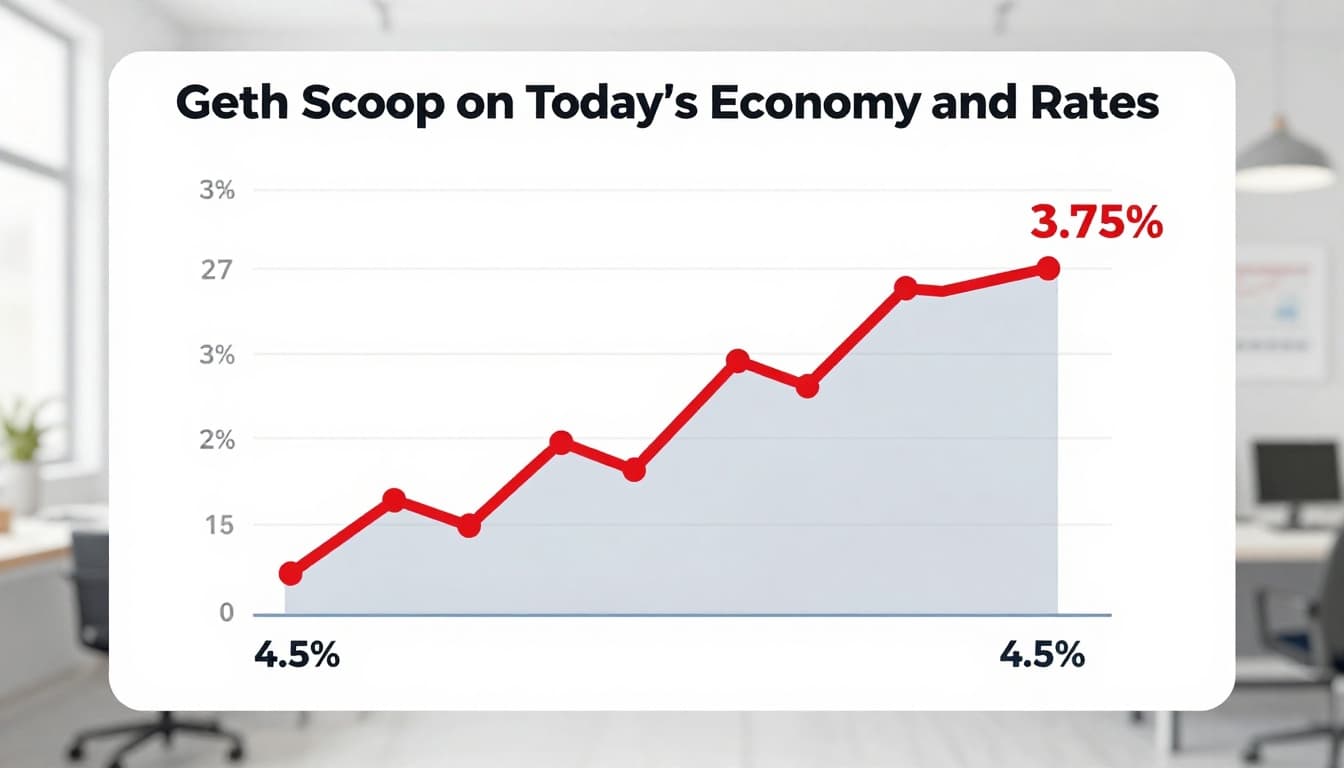
| Indicator | March 2026 Level | Impact on Buys |
|---|---|---|
| PCE Inflation | 2.8% YoY | Prices rise slowly |
| Core PCE | 3.1% YoY | Sticky on goods like tech |
| Fed Funds Rate | 3.5-3.75% | Loans cost more |
| Unemployment | 4.2-4.6% | Jobs less secure |
This table sums key metrics. Inflation beats 2% target. Fed stays cautious.
Why Inflation and Interest Rates Matter Right Now
Inflation at 2.8% means $100 buys less next year. Core PCE excludes food and energy. At 3.1%, it signals broad pressure.
Rates set loan costs. 3.75% top end hikes mortgages. A $300,000 loan adds thousands yearly versus 2024 lows.
Sticky core slows drops. Oil pushes headline higher. Therefore, prices may climb. Balance this with your needs.
Match Your Purchase to Market Trends
Your item changes everything. Homes tie to mortgages. Cars to energy. Appliances to sales.
Experts lean wait amid inflation. But urgency flips it. Buy now locks prices. Wait bets on relief but risks hikes.
Homes: High rates, low inventory. Cars: Stable but energy squeezes. Tech: Promo-driven.
Personalize it. Growing family? Move sooner.
| Purchase | Buy Now Pros | Wait Pros | Trends |
|---|---|---|---|
| Homes | Secure inventory | Possible rate cuts | Mortgages at 6.22%+ |
| Cars | Current deals | Energy may ease | Prices up slightly |
| Appliances/Tech | Sales now | New models | Core inflation steady |
This compares options. Match to your spot.
Homes: Lock In or Hold Off for Lower Rates?
Mortgages hit 2026 highs near 6.43%. Peak season starts. Inventory up slightly but prices flat.
Wait if flexible. Tiny cuts save big. Yet low supply keeps costs up. See Real Estate News on rates.
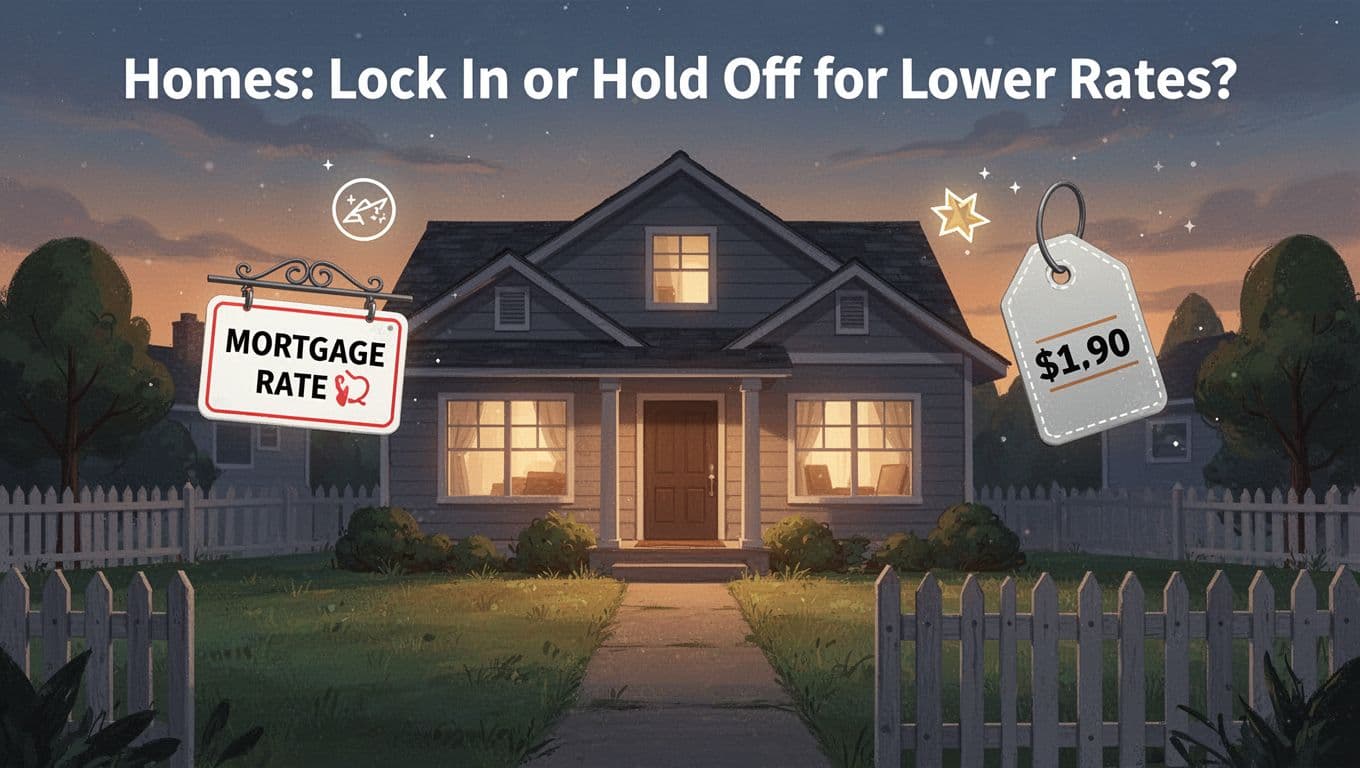
Roof leaks? Buy. Otherwise, monitor.
Cars: Chase Deals Before Energy Costs Hit Harder
New cars rose 3.4% yearly. Used dipped a bit. Gas spikes loom.
Deals exist now. Kelley Blue Book weighs timing. Wait risks higher fuel bills.

Old ride dies? Act. Else hold.
Appliances and Tech: Snag Them on Sale Today
Core inflation hits gadgets. Prices hold firm. March sales beat waiting.
TechRadar suggests buying soon. Cycles turn fast. Grab promos.
Know When to Stop Waiting and Buy
Urgent needs signal go. Leaky roof. Dying car. Great deal tops forecasts.
Finances solid? Inflation at 2.8% means prices creep. Miss inventory.
Score factors 1-10: Budget ( ), economy ( ), need ( ), trends ( ). Over 30? Buy.
Patience pays if no rush. Balance risks.
Deciding beats paralysis. Facts guide you.
Start with your finances. Scan economy. Match your buy. Watch action signs.
No perfect moment exists. Smart steps win. Like that home you eyed? Run numbers first.
Share below: Buy or wait? What sways you? Subscribe for Fed updates. Choices shape your future.