
You bought those shoes online because they looked perfect. They arrived, but they pinched your toes. When you tried to return them, a sneaky restocking fee ate half your refund, leaving you out $25.
Confusing return and refund policies trip up shoppers every day. In March 2026, the FTC rolled out new rules to make subscription cancellations as easy as sign-ups, spotlighting how poor policies waste your time and money. Knowing the fine print protects your wallet.
This post breaks down returns versus refunds, key laws, retailer examples, smart reading tips, and pitfalls to dodge. Let’s dive into the basics first.
What’s the Difference Between a Return and a Refund Anyway?
Returns and refunds sound similar, but they differ in big ways. A return means you send the item back to the seller. They inspect it first. Then, a refund gives your money back after approval. Returns often take time because of that check. Refunds follow once everything clears.
Most stores set return windows from 7 to 90 days. Walmart offers 90 days for most items, while Best Buy sticks to 15 days. Condition matters too: items need tags and original packaging. Restocking fees hit 10-25% for non-defective goods. You might get store credit instead of cash. Or an exchange swaps sizes. Replacements fix defects without return hassles.
Why care? These choices save cash or time. A wrong-size shirt might swap easily. A damaged phone gets replaced fast. Always check before you buy.
Key Terms You Need to Know Right Now
Know these terms upfront. They shape your options and wallet hit.
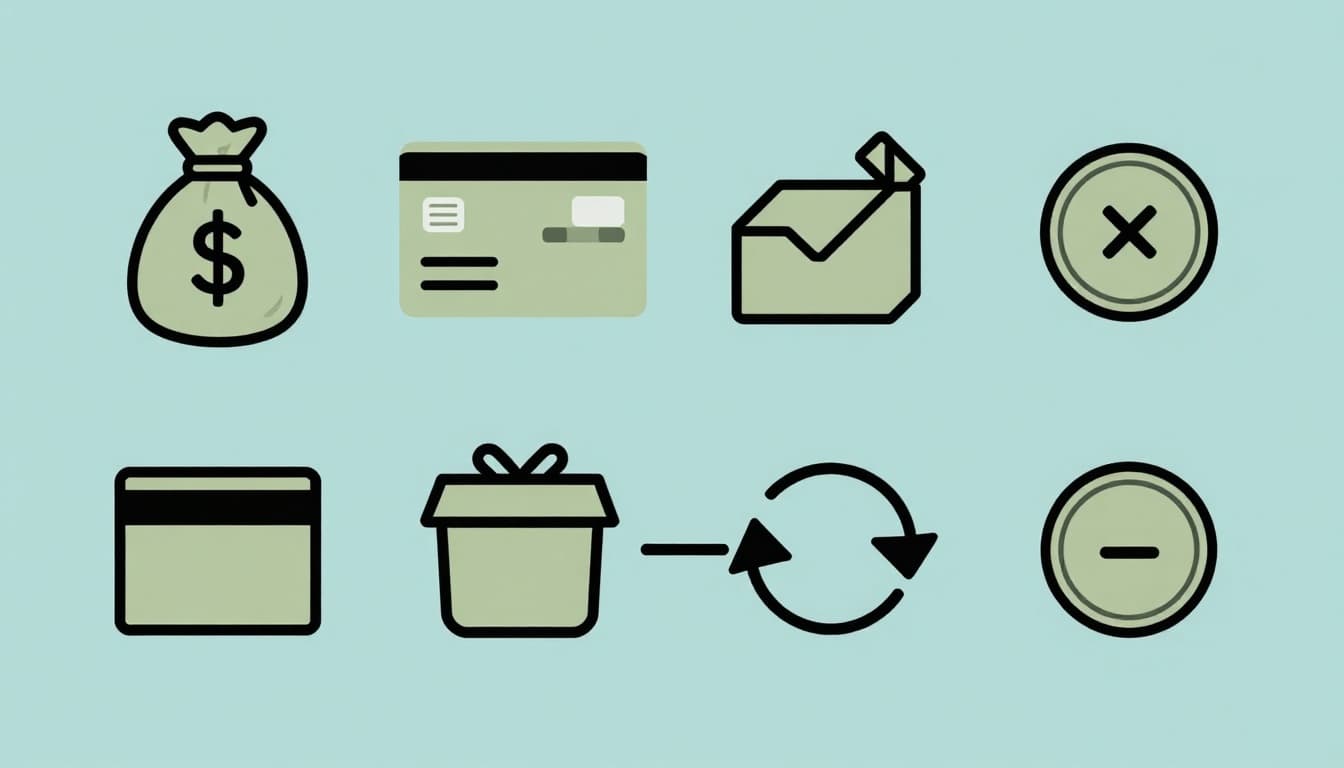
Here’s a quick breakdown:
- Full refund: You get all your money back. Amazon does this for returnless refunds on items under $75, like books or small tools. No shipping back needed; you keep it. Check Amazon’s 2026 returnless refund guide for details.
- Partial refund: Covers part of the cost. Say shipping caused damage; they deduct that.
- Store credit: Money stays with the seller. Great for future buys, but locks you in.
- Exchange: Swap for the same item in a different size or color. Quick fix for fit issues.
- Replacement: New item arrives for defects. No return required often.
- Restocking fee: 10-25% charge for non-defective returns. Best Buy takes 15% on opened TVs.
These decide if you win or lose. Spot them early to avoid surprises.
How Condition and Timing Affect Your Options
Condition rules everything. Items must look new, with tags and original box. Target demands unused packaging. Worn shoes or missing parts? Expect denial.
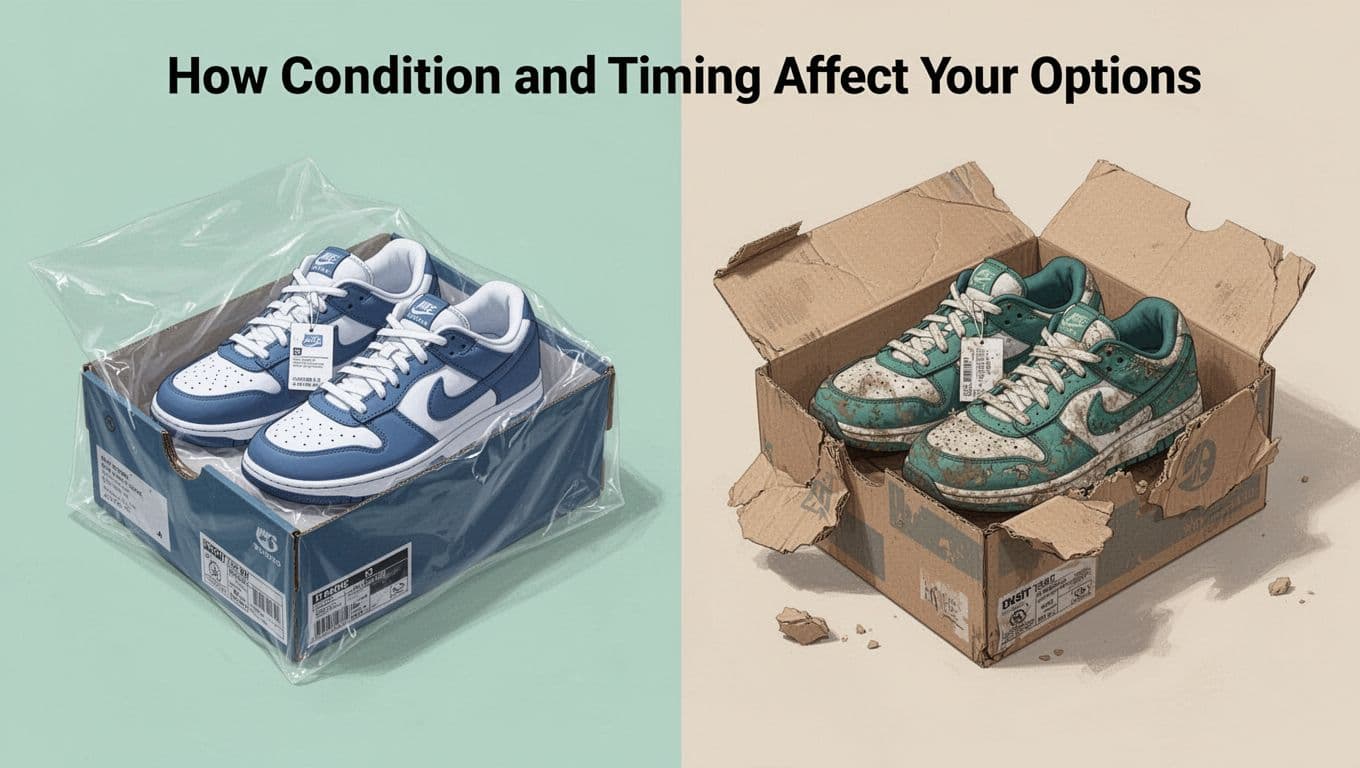
Timing starts from purchase or delivery date. Amazon counts 30 days from arrival. Miss it, and you’re stuck. Late returns add shipping costs too. Walmart gives 90 days but cuts electronics to 30.
Poor condition triggers fees or credit only. Defective? Free shipping back usually. Clean packaging saves money. Always photo your unboxing. That proves the state on day one.
Your Legal Rights Under US Law in 2026
You deserve clear rules when returns go wrong. Federal and state laws set boundaries on what sellers must do. These protections stop tricks and ensure fairness. In 2026, the FTC keeps pushing back against bad practices. Know your rights to get money back fast.
Federal FTC Guidelines Everyone Should Follow
The FTC sets basic rules for all US shoppers. Sellers must post return policies clearly, often near checkout or on receipts. No hidden fees or tricks allowed. You get refunds for defective items, wrong orders, or shipping errors. Change your mind? Federal law doesn’t force refunds then. However, warranties require fixes or replacements for broken goods.
A 3-day cooling-off rule applies to door-to-door sales over $25. Cancel within three days, no questions asked. For online buys, the FTC demands honest ads and easy cancels on subscriptions. In March 2026, they restarted talks on negative option rules. Businesses face fines if cancels stay hard. Comments close April 13; check FTC’s refund programs page for updates.
Scams cost big this year. The FTC sent over $85.7 million in refunds already. Hidden charges trigger these payouts. Always photo your item on arrival. That proves defects. Report issues at ftc.gov. These steps protect your cash.
State Rules That Give You Extra Protection
States add layers beyond federal basics. California requires clearly posted policies; many stores offer 30 days anyway. New York mandates posting too. No policy? They accept returns in 30 days. Gift cards last at least nine years there, no sneaky expirations.
Other spots vary. Texas caps restocking fees. Check your state attorney general’s site for locals. Here’s a quick federal versus state view:
| Aspect | Federal (FTC) Rules | State Examples |
|---|---|---|
| Posting Policies | Must display clearly | NY: 30 days if not posted; CA: Clear display required |
| Change of Mind | No required refund | Varies; some imply 30 days |
| Defects/Wrong Item | Full refund or fix | Same, plus warranties enforced |
| Gift Cards | No expirations under 5 years federal | NY: Minimum 9 years |
| Subscriptions | Easy cancels pushed in 2026 | CA: New fee disclosures |
These extras empower you. Search your state AG site first. Local rules beat general ones. Spot differences before buying. That way, you shop smart and win disputes.
Real-World Policies from Top Retailers Like Amazon and Walmart
Top retailers set their own rules, but patterns emerge. You often see 30 to 90 days for returns. Electronics shrink that time. Fees hit restocking or hygiene items. Amazon tweaked seller rules in 2026, yet customers keep the standard 30 days. Walmart and Target offer generous windows. Best Buy stays shorter. Always check the site yourself, because policies shift.
Amazon’s Key Updates for 2026
Amazon gives you 30 days from delivery for most items. In 2026, sellers face tighter rules. Seller-fulfilled orders now use prepaid labels only. Refunds start at 7 days for those. Returnless refunds work for low-cost goods under $50, like small tools. You keep the item; they credit you fast. No more buyer-seller chats during returns. Customers benefit from quicker refunds. Sellers pay fees if returns exceed limits.
For details, read Amazon’s return policy page. These changes build trust but pressure sellers.
Policies at Walmart, Target, and Best Buy
Walmart leads with 90 days on most goods. Electronics drop to 30-45 days. Target matches 90 days standard; electronics get 30-60 days. Best Buy limits to 15 days, longer for members on select items. All exclude hygiene products like underwear. No returns on final sale or clearance often.
Processes stay simple. Print labels online. Drop at stores or ship free. Here’s a quick comparison:
| Retailer | Return Window | Fees/Exceptions | Process |
|---|---|---|---|
| Amazon | 30 days (customers) | Restocking rare; hygiene no | Prepaid labels; returnless low-cost |
| Walmart | 90 days most; 30-45 electronics | No receipt: credit up to $10 | Free ship or in-store |
| Target | 90 days; 30-60 electronics | Hygiene no; gift cards out | Mail label or in-store free |
| Best Buy | 15 days; varies by membership | 15% some open items; drones short | Free shipping or store drop |
Spot the pattern: Big boxes give more time. Tech stores push speed. Save receipts. Photo items on arrival. That way, you match their rules and get cash back easy. Check Walmart’s standard policy or Target’s returns page for latest.
How to Read and Decode Any Return Policy Like a Pro
You spot a great deal online. Before you click buy, pause and hunt that return policy. It hides in footers or product pages. Decode it right, and you avoid headaches later. Most policies follow patterns, but details vary. Start by finding the full text. Then scan key spots. This skill saves time and cash.
Step-by-Step Guide to Spotting the Fine Print
Policies live on websites under “Help,” “Returns,” or checkout links. Search the site for “return policy” if needed. Once there, break it down fast.
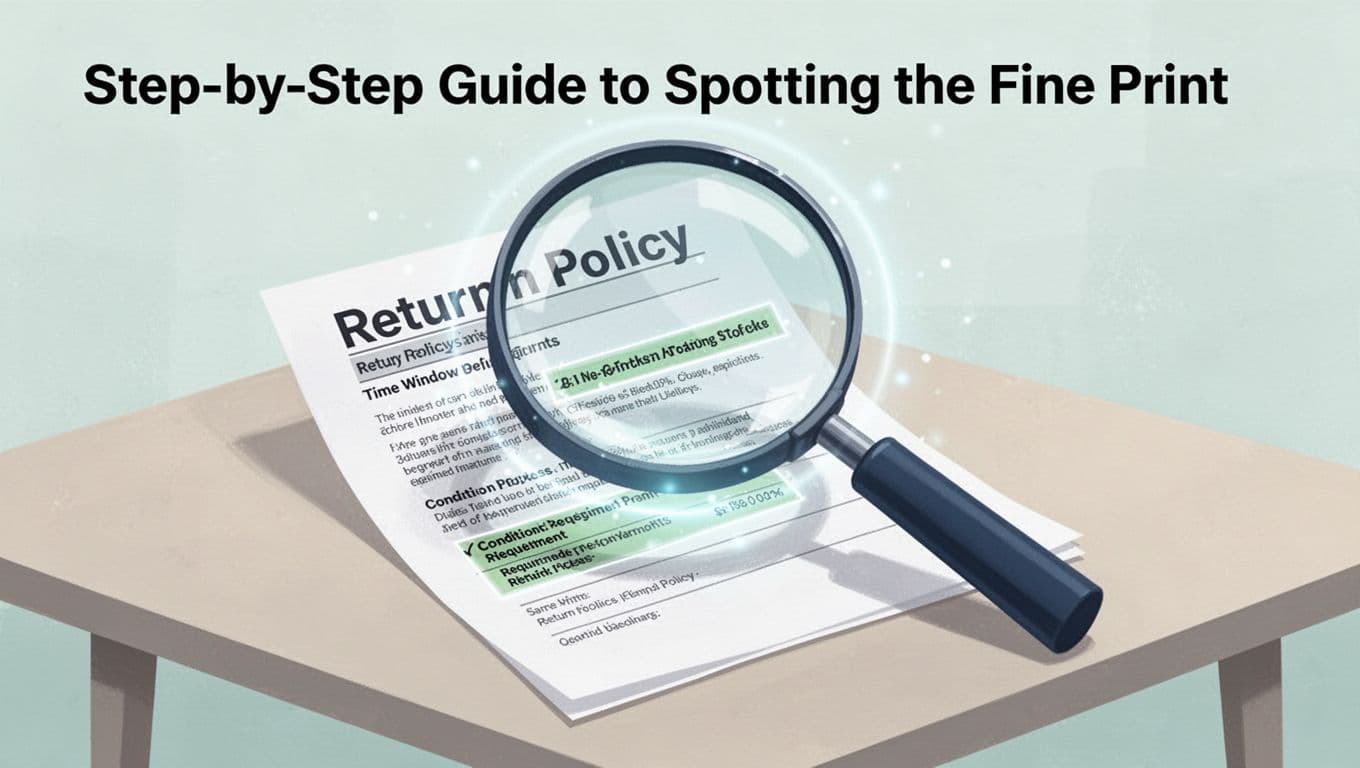
Follow these steps every time:
- Locate the policy link. Check the footer or product page. Screenshot it before purchase. Policies change, so proof matters.
- Check the return window. Look for days from delivery, not order date. Note shorter times for electronics or clearance items.
- Scan conditions. Items must stay unused with tags and boxes. Hygiene goods like underwear often bar returns.
- Find refund details. Does it offer full cash, store credit, or exchanges? Partial refunds hit for shipping damage.
- Review the process. Print labels? In-store drops? Free shipping back? Online differs from stores often.
- Spot exceptions. Final sale tags kill options. Subscriptions need cancel buttons nearby.
For example, some sites list methods first. Others bury fees at the end. Always read the last paragraph. Sites like NerdWallet’s return policy guide compare these fast. You gain control this way.
Top Pitfalls That Trip Up Shoppers and Fixes
Shoppers lose big on simple slips. Late returns top the list. You think 30 days means plenty. Days tick from delivery, so track calendars. Used items fool many too. Try on clothes once? That counts as worn. Fees surprise next. Restocking bites 15-25%. No proof seals denials.
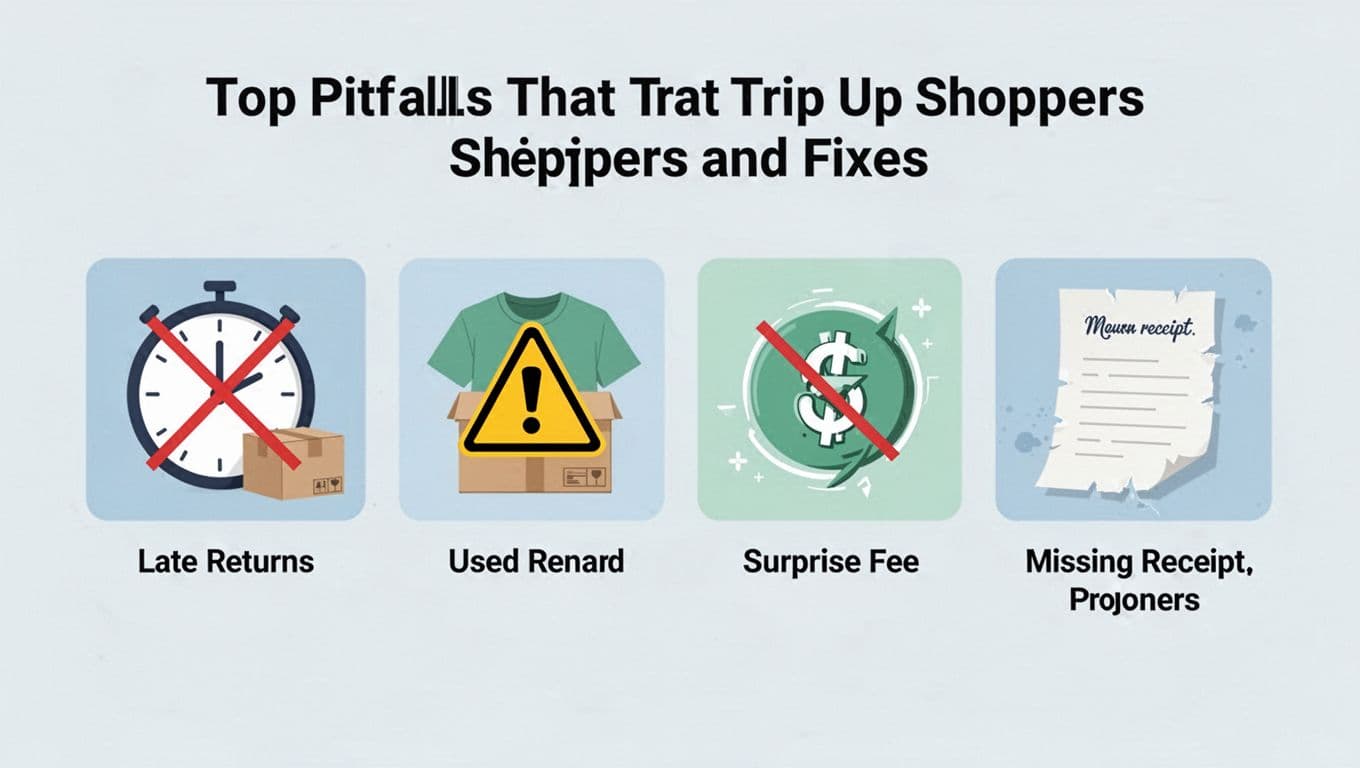
Here is how to dodge them:
- Beat deadlines. Set phone reminders two days early. Mark delivery dates clearly.
- Keep items pristine. Unbox carefully. Snap photos of original state right away.
- Hunt hidden fees. Search “restocking” or “shipping” in the policy. Ask chat support pre-buy.
- Save all proof. Store receipts digitally. Screenshot order confirmations and policies.
- Don’t assume sameness. Online rules skip in-store perks sometimes. Check both.
- Test fine print ignores. Read exceptions fully. “As-is” means no returns.
These fixes work because they build habits. In short, act like a detective upfront. You shop smarter as a result. Check resources like The Budget Fashionista’s red flags guide for more shopper stories.
Conclusion
You now grasp return and refund policies like a pro. Returns send items back for inspection, while refunds follow approval. Federal FTC rules demand clear postings and fixes for defects. State laws add extras, like New York’s 30-day default.
Reading steps spot windows, conditions, and fees fast. Always check policies before you buy. Report tricks to the FTC, especially with 2026 pushes for easier subscription cancels.
Share your return stories in the comments below. Bookmark this for your next shop. Smart shoppers win every time.