Online purchase scams topped BBB lists for the sixth year in a row. Reports nearly doubled in some areas from 2025. Scammers now use AI tricks that make fakes look real.
Picture this: Sarah spots a cute puppy ad on social media. The price seems perfect. She pays $500 upfront. Weeks pass with no pup, just silence. Her money vanishes. Stories like hers spike in early 2026 because AI deepfakes and personalized phishing fool more shoppers.
These scams rise with online buying booms. But you can fight back. This post breaks down common traps, daily safety steps, and quick fixes if hit. You’ll get simple tips to shop without worry.
Spot the Sneakiest Online Shopping Scams Right Now
Scammers target busy shoppers with fake deals. BBB data shows online purchase fraud leads nationwide. In Chicago alone, reports jumped from 1,196 in 2024 to 2,553 by late 2025. FTC notes $12.5 billion lost in 2024 fraud, up 25%. AI amps up the danger.
Fakes mimic big stores like Amazon. Pop-up ads promise pets or electronics that never arrive. Phishing texts pretend to update deliveries. Subscriptions hide endless charges. Counterfeits ship junk instead.
Know these to stay safe. Spot them fast, and you dodge most hits.
Fake Websites and Phony Ads That Steal Your Money
Crooks build sites that copy real retailers. They push hot deals on clothes, gadgets, or pets. You click a social ad, enter card info, and wait. Nothing ships, or junk arrives.
AI creates deepfake images of influencers praising bogus products. Prices beat market rates by half. Urgency screams “limited stock!”
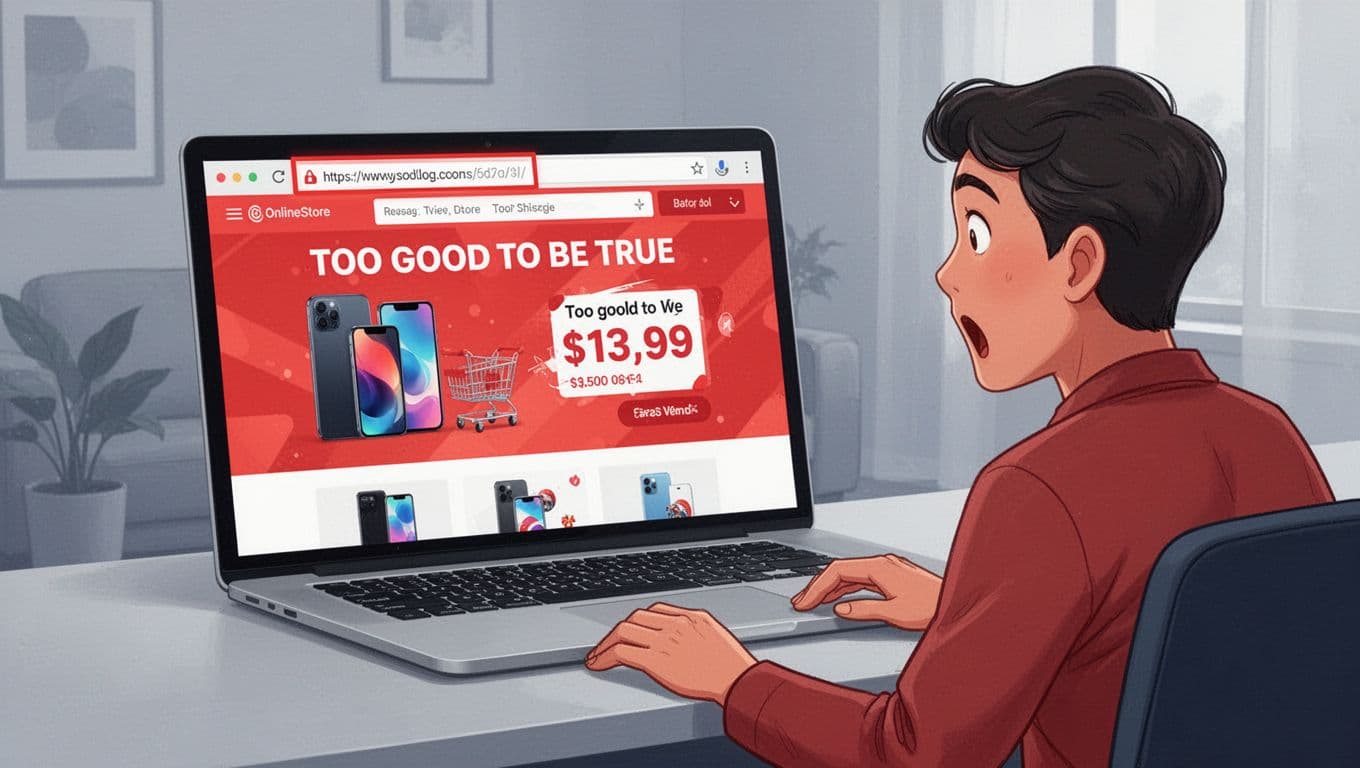
Check for misspelled URLs like amaz0n-deals.com. No HTTPS lock means risk. Pet scams boomed in early 2026 per BBB’s top scams report for Chicago. Social platforms start 94% of “got nothing” complaints.
Phishing Tricks Masquerading as Delivery Updates
Texts or emails claim your package delays. They demand fees or info to “release” it. Links lead to fake login pages that steal data.
AI personalizes these with your real shopping history. FTC reports billions lost to impersonation. Median hit: $128, with 78% losing cash by mid-2024.
Watch short sender names or odd links. Real companies don’t ask for payment via text.
Subscription Traps and Knockoff Products
“Free trials” turn into monthly charges. You forget to cancel. Fakes arrive broken or unsafe.
Recovery scams follow. Con artists call offering refunds for a fee. BBB warns these chain hits. Always read fine print first.
Build Bulletproof Habits to Shop Online Safely
Good habits block most scams. Experts from FTC and BBB agree. Start with basics, and add layers. These steps work because they cut access to your money and data.
Use credit cards. Enable alerts. Verify everything. Most shoppers stay safe this way.
Vet Websites and Deals Before You Click Buy
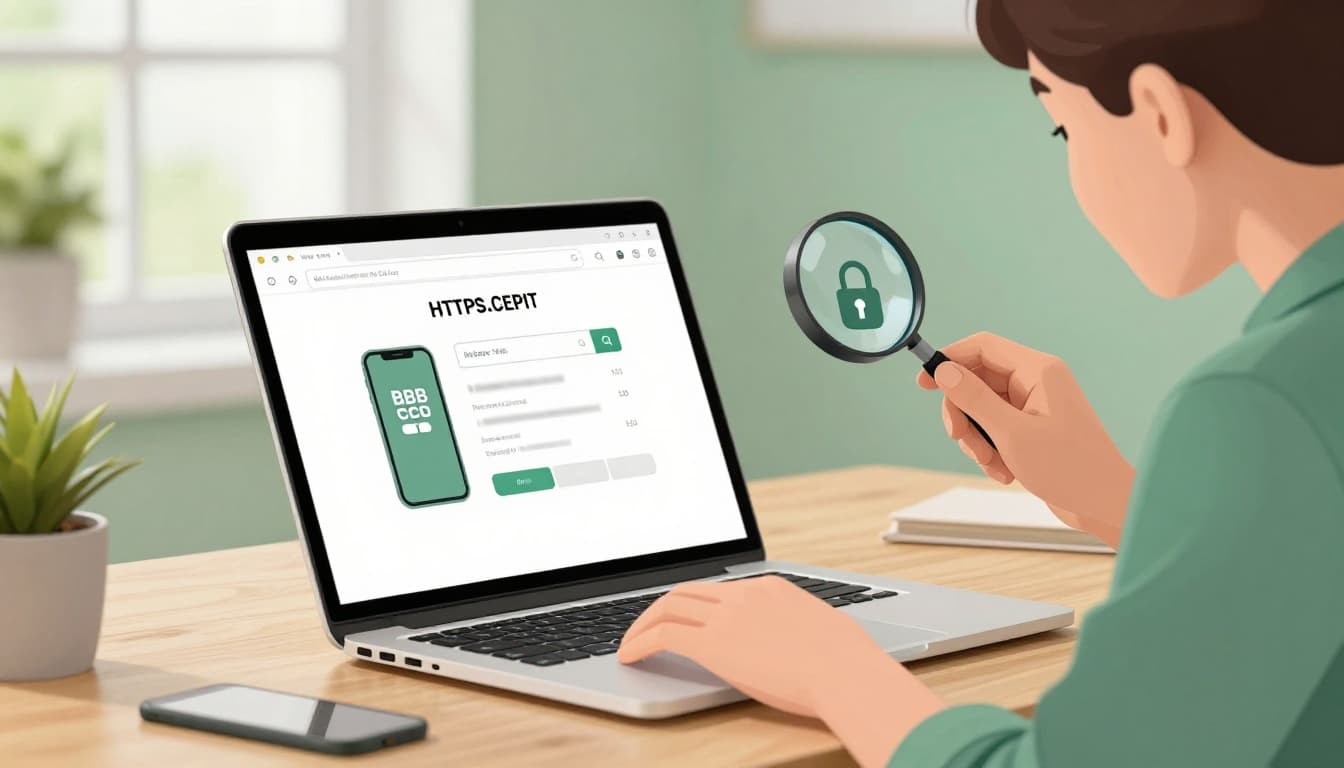
Hover over links to spot real URLs. Look for HTTPS and padlock icons. Stick to official sites like amazon.com.
Search BBB Scam Tracker or seller reviews first. Avoid pop-ups and social shortcuts. If deals seem too good, walk away.
Phone nearby? Check ratings there too.
Pick Payment Methods That Protect Your Wallet
Credit cards beat debit every time. Banks reverse charges fast if fraud hits. Debit pulls from your account directly.
Try virtual cards for one-time use. Skip gift cards, wire transfers, or crypto. Scammers love those because no refunds.
Dispute errors within 60 days. You’ll get money back often.
Handle Weird Messages and Calls Like a Pro
Delete unsolicited texts or emails. Don’t click links. Call the company using numbers from their real site.
AI voices sound perfect now. Ask personal questions only you know, like “What did we name our first pet?” Hang up if off.
Forward fakes to 7726 for spam reports. Verify independently every time.
What to Do If a Scam Slips Through Your Defenses
Act fast. Time matters for recovery. Most victims get funds back if they move quick.
Contact your bank or card issuer first. Request chargebacks. They guide you.
Report to FTC at ReportFraud.ftc.gov. File with BBB Scam Tracker too. IC3.gov handles cyber hits.
Change passwords everywhere. Use a manager. Monitor credit at AnnualCreditReport.com. Freeze it free if data leaks.
Watch for recovery cons. They promise help for upfront fees. Ignore them.
AARP offers free scam alerts. FTC trackers show trends. In 2026, AI takeovers rise, but reports help stop spread.
You’ll recover most times. Don’t blame yourself. Scammers prey on trust.
Smart habits spot online shopping scams before they bite. You know the top traps now, from fake sites to phishing. Build checks like URL vets and credit pays into routines. If hit, report and reverse fast.
These steps shield 99% of tricks. Share your near-miss in comments below. Bookmark for holiday buys. Check BBB before your next cart. Stay vigilant this March 2026. Safe shopping awaits.