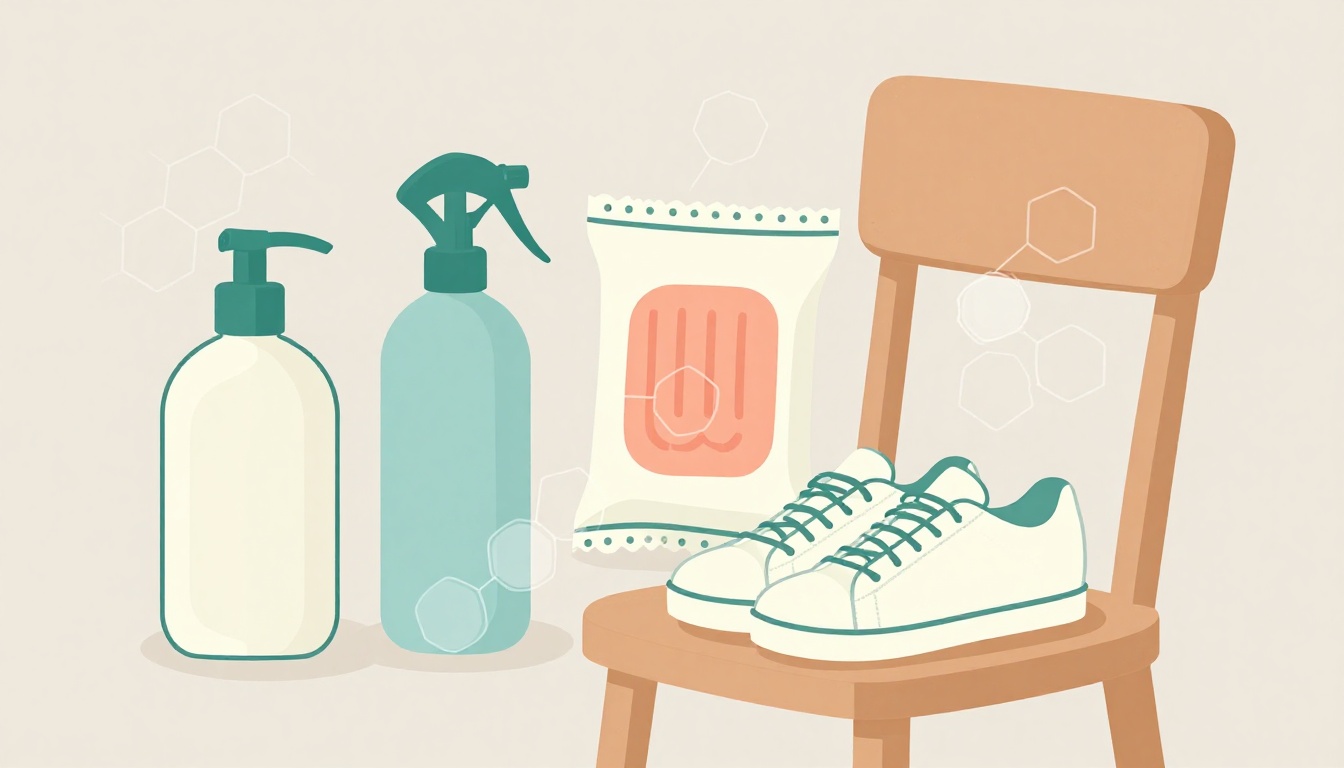
Imagine slathering your favorite lotion on every morning or spritzing that go-to cleaning spray around your kitchen. What if those daily habits expose you to PFAS and phthalates, forever chemicals that build up in your body and the environment? Recent 2026 state bans highlight the risks; these substances link to hormone disruption, immune problems, high cholesterol, and even cancer in high-exposure cases.
States like Maine and Vermont now ban PFAS in cosmetics, cleaning products, food packaging, clothing, and furniture starting January 2026. For example, PTFE shows up in 28% of PFAS-containing cosmetics for that smooth feel, according to a December 2025 FDA report. Meanwhile, phthalates sneak into many of the same items, and both persist because they don’t break down easily.
You can take control, though. This post breaks down key categories: cosmetics, food, cleaning supplies, clothing, and furniture. You’ll learn harmful ingredients to dodge, plus beneficial alternatives that protect your health and the planet.
First, we tackle cosmetics, where hidden chemicals hit closest to home.
Cosmetics and Personal Care: Skip These Skin Saboteurs
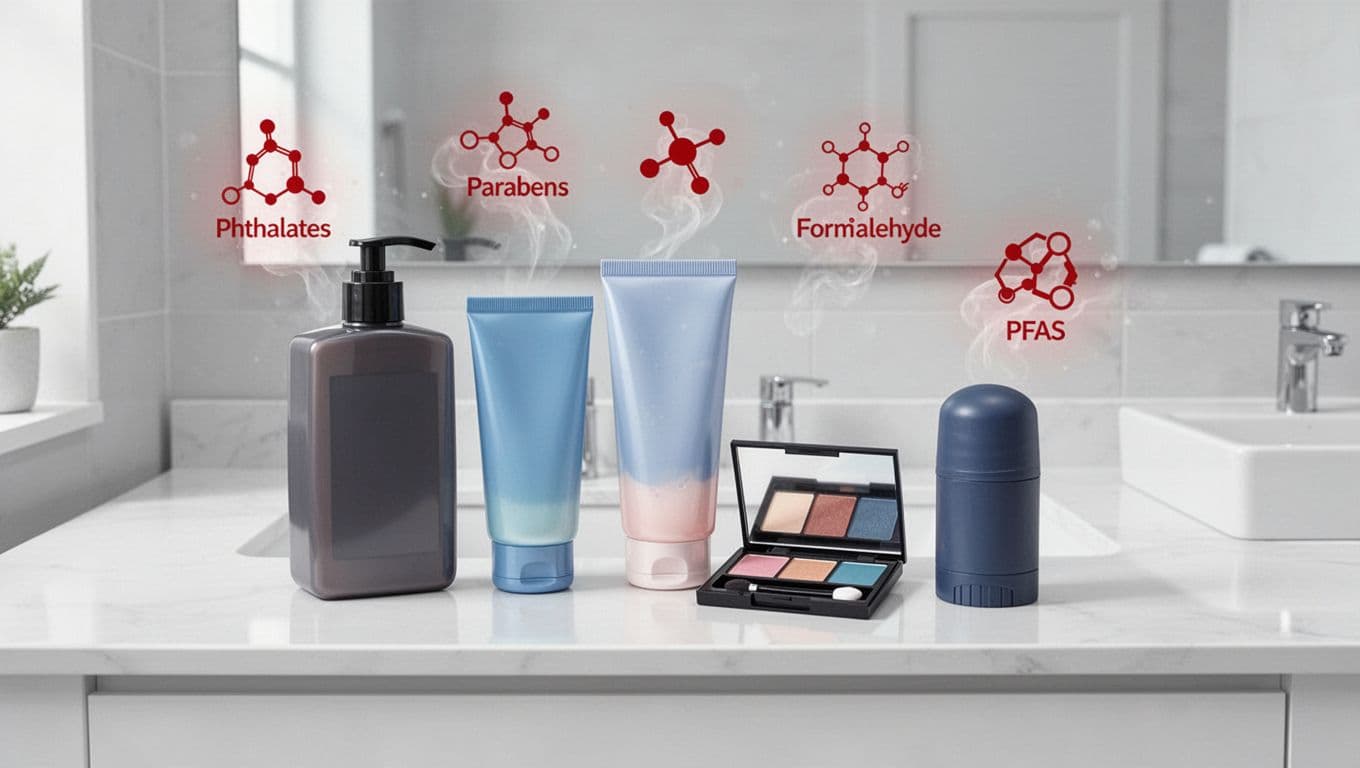
Your daily beauty routine feels harmless. You grab shampoo in the shower, slather lotion after, and swipe on makeup before work. Yet many products pack sneaky chemicals that irritate skin and worse. Phthalates hide in fragrances, parabens preserve lotions, and PFAS make mascara waterproof. These build up in your body over time. States like California ban PFAS in cosmetics now, so you can switch easily.
Top Harmful Ingredients to Avoid in Your Beauty Routine
Start with phthalates. They lurk in “fragrance” or “parfum” on shampoo and deodorant labels. These soften plastics and scents but disrupt hormones. Studies link them to reproductive harm and fertility issues. Even small doses add up because your body stores them.
Parabens, like methylparaben, show up in lotions and makeup. They prevent mold but mimic estrogen. This raises cancer risks over years. Skin absorbs them fast, so daily use compounds the problem.
Formaldehyde releasers, such as DMDM hydantoin, preserve shampoos and conditioners. They release the chemical slowly, causing allergies and skin rashes. The FDA flags formaldehyde as a carcinogen.
PFAS, or forever chemicals, coat waterproof makeup and lotions for smoothness. Check the FDA’s page on PFAS in cosmetics for details. They resist breakdown, polluting water and linking to immune problems and cancer.
Coal tar dyes color hair products; oxybenzone in sunscreens harms hormones too. All trigger skin issues like eczema. Everyday examples? Your favorite scented body wash or long-lasting lipstick.
Healthier Choices That Nourish Your Skin Instead
Swap risks for real benefits. Go fragrance-free first; it cuts phthalates instantly. Look for paraben-free labels too.
Ceramides rebuild your skin barrier in lotions. They lock in moisture without irritation. Squalane, from plants, hydrates deeply and suits all skin types.
Niacinamide calms redness and evens tone in serums. It fights inflammation gently. Colloidal oatmeal soothes eczema in washes.
Mineral sunscreens with zinc oxide block UV rays safely. No oxybenzone means no hormone worries. Add glycerin and hyaluronic acid for plump, protected skin.
These ingredients hydrate and shield. Clean beauty trends in 2026 push them hard. Your routine improves fast.
Real Risks and Easy Ways to Check Labels
These chemicals accumulate in fat tissues. Small amounts daily turn toxic over months. They also pollute rivers as forever chemicals.
Yet fixes stay simple. Scan labels for “free-from” claims like paraben-free or PFAS-free. Apps help too. Try Think Dirty or EWG’s Healthy Living to rate products by barcode.
The FDA registers cosmetics but skips full safety checks. Buy from trusted brands instead. Swap one product weekly; start with deodorant.
Ventilate bathrooms during use. This cuts inhalation risks. In short, read closely, use apps, and choose clean. Your skin thanks you.
Food and Packaging: Keep Toxins Out of Your Meals
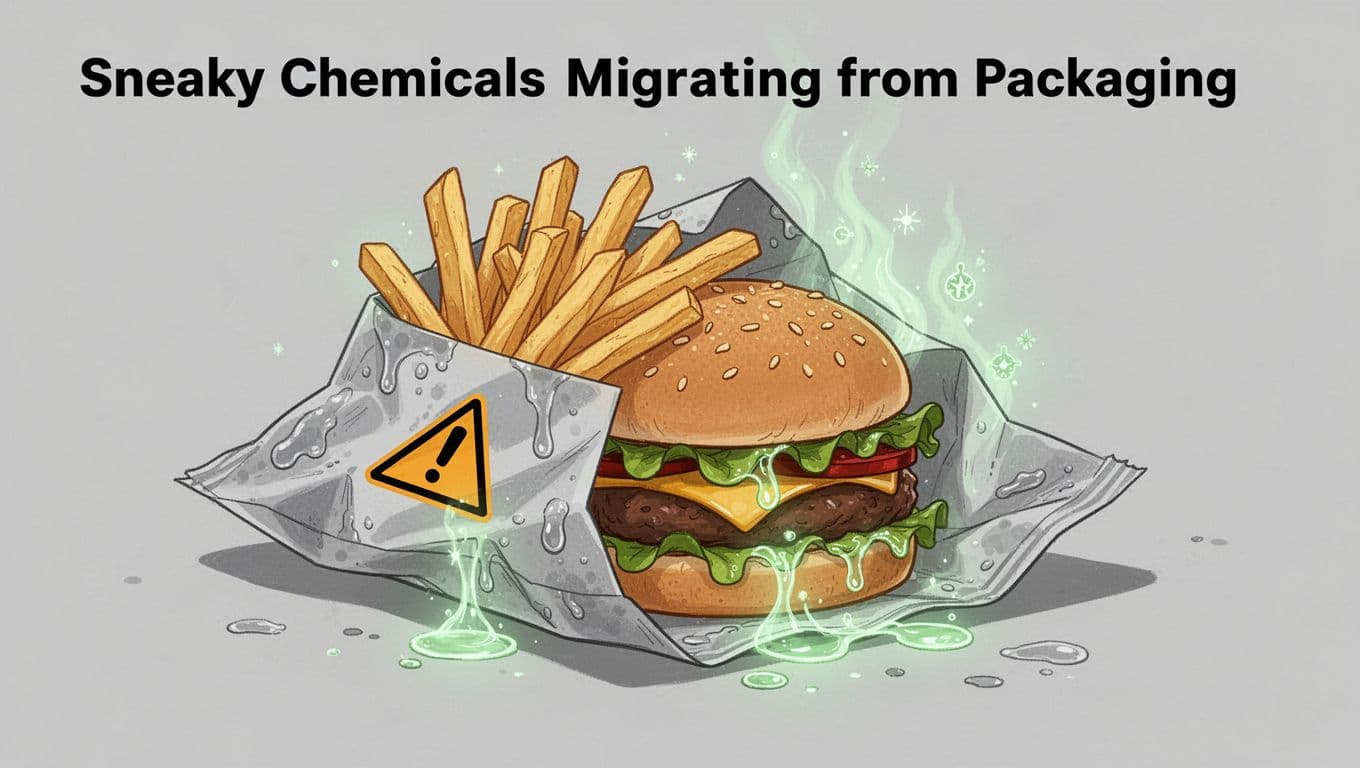
You unwrap takeout after a long day. That greasy burger and fries taste great. But the wrapper might dump chemicals right into your meal. PFAS coat fast-food boxes to block grease. Phthalates soften plastic wraps. Parabens preserve some ready-to-eat packs. These seep in, especially with heat or fat. Your body takes the hit over time. States push bans now, so change comes fast.
Sneaky Chemicals Migrating from Packaging
PFAS make wrappers water- and oil-resistant. Think microwave popcorn bags or pizza boxes. They migrate into fatty foods easily. Studies show this links to hormone disruption and cancer risks, as the National Cancer Institute explains. These forever chemicals build up because they resist breakdown.
Phthalates flex plastic films and containers. They leach during storage or microwaving. Hot pizza in a phthalate-lined box absorbs them quick. Hormone issues follow, like fertility drops and early puberty.
Parabens act as preservatives in some dairy or meat packs. They slip through as vapors or direct contact. Skin creams use them too, but food picks them up from coated papers. Estrogen mimicry raises breast cancer odds long-term.
Take your weekly takeout habit. One study found high phthalate levels in fast food from plastic gloves and wraps, per Consumer Reports testing. Nonstick pans add PFAS to scrambled eggs. Heat speeds transfer. Meanwhile, these pollute water and soil forever. Your liver stores them, so small doses stack up.
Smarter Picks for Safer Eating
Grab fresh produce instead. Farmers markets offer unpackaged apples, carrots, and greens. No wrappers mean zero risk. Bulk bins let you scoop nuts or grains into your own bags.
Seek PFAS-free labels on boxes. States like New Jersey ban them in packaging by 2028. Glass jars hold sauces perfectly. Steel cans keep beans safe without leaching.
Skip plastic wraps at home. Use beeswax sheets or parchment instead. Store leftovers in glass. Heat meals in ceramic bowls. These choices cut exposure big time.
Trends favor this shift. Paper and recycled plastics rise, but glass and steel lead for reusability. Vermont already bans PFAS in food packs. In short, shop the outer aisles. Buy whole foods. Your meals stay clean, and health improves. Pollution drops too.
Cleaning Supplies: Choose Ones That Won’t Pollute Your Home
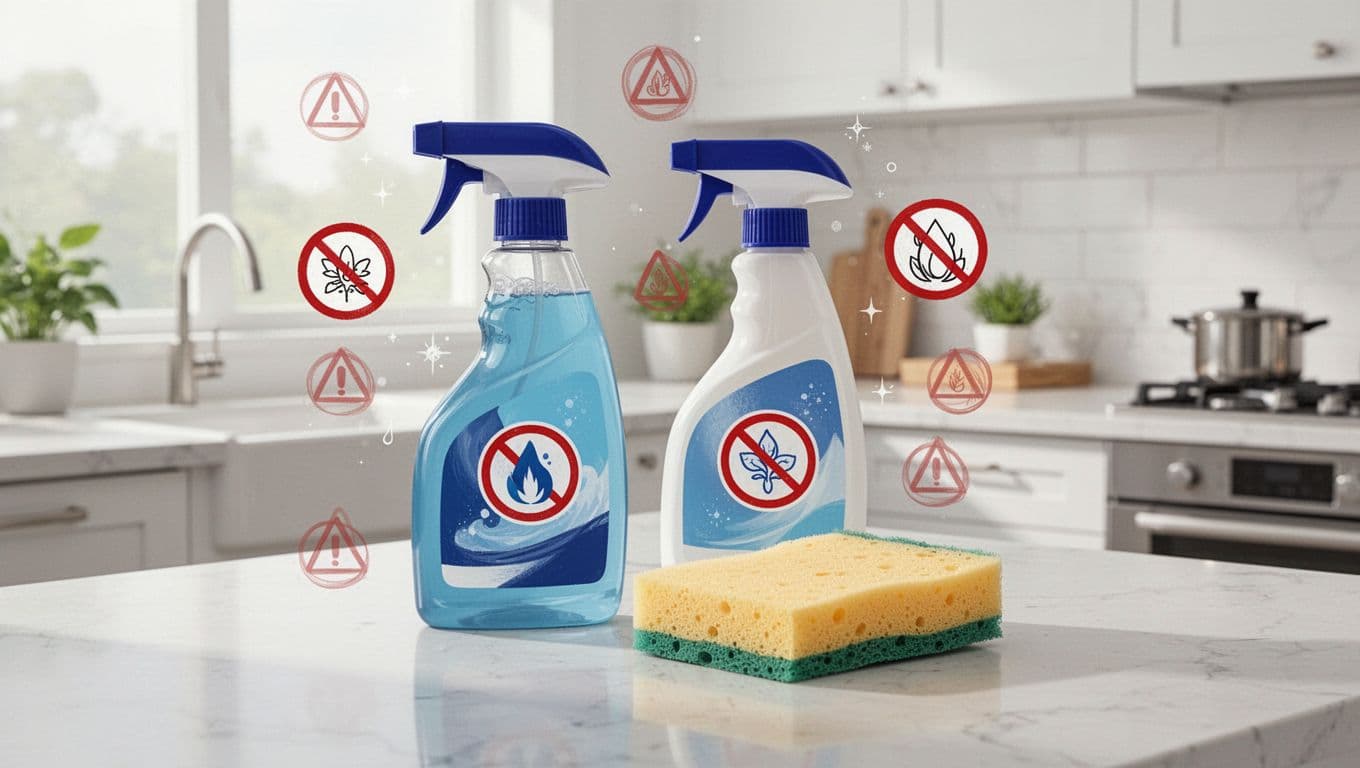
You spray cleaner on the counter after dinner. That fresh scent feels good at first. But many products hide phthalates, parabens, and formaldehyde in fragrances. These chemicals overlap with personal care risks. You inhale them, absorb through skin, or send them down drains to waterways. Hormone disruption and respiratory issues follow. Luckily, safer options exist. States target PFAS in cleaners now, so clean swaps get easier.
Fragrances Hiding Dangerous Phthalates
Fragrances top ingredient lists in most cleaners. They mask phthalates, which soften scents and plastics. You breathe them in during use. Skin picks them up too. These chemicals disrupt hormones, much like in cosmetics. Studies link them to fertility problems and early puberty.
Parabens preserve sprays and wipes. They mimic estrogen, raising long-term cancer risks. Formaldehyde releasers, like in floor cleaners, trigger allergies and asthma. Respiratory irritation hits kids and pets hardest. In addition, residues linger on surfaces. Your family touches them daily.
Drains carry leftovers to rivers. Phthalates persist there, harming fish and water supplies. For details on endocrine disruptors in cleaners, check Green Llama’s family guide. Ventilation helps during cleaning. Open windows wide. Swap one product at a time, starting with all-purpose sprays.
Plant-Based Cleaners That Clean Without Harm
Plant-based cleaners cut toxins while tackling grime. They use vinegar, baking soda, and essential oils. No phthalates or synthetic fragrances mean safer air and skin. Your lungs stay clear, and drains handle them easily because they break down fast.
Benefits stack up. These formulas kill germs with thymol from thyme. They suit septic systems and avoid hormone hits. Plus, they save money through concentrates. One bottle makes many uses.
Examples shine. Branch Basics concentrate handles laundry, bathrooms, and counters. It’s fragrance-free and biodegradable. The Wholesome Home all-purpose uses lemongrass oil for pet-safe shine. Meliora tablets dissolve into unscented spray; no plastic waste. Grove offers budget floors cleaner at 92% plants. See Homecourt on plant-based advantages for more.
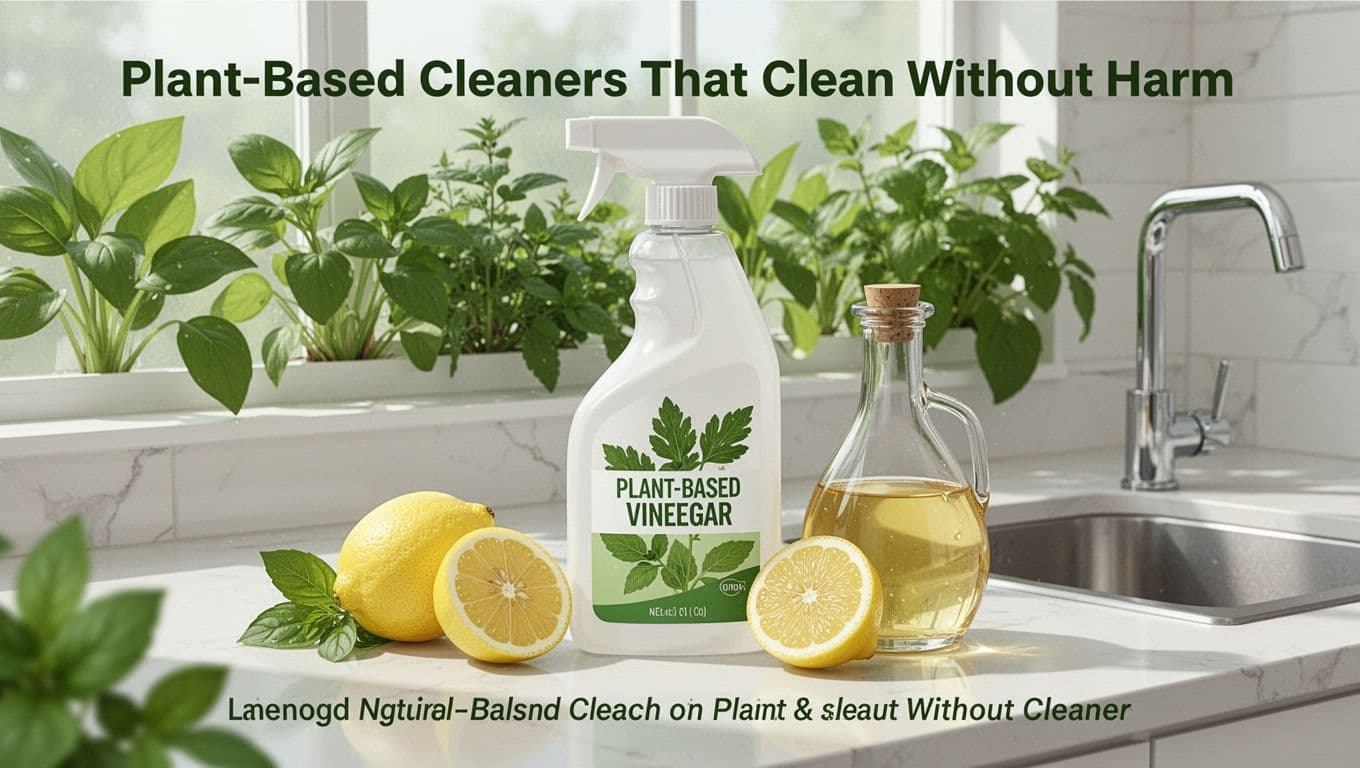
Start small. Mix your own with lemon and castile soap. Your home cleans up without the pollution. Health improves right away.
Clothing and Furniture: Avoid Off-Gassing Fabrics
You slip into that new stain-resistant jacket or sink into a fresh sofa. Comfort feels great at first. But off-gassing fabrics release chemicals like PFAS and flame retardants right into your home air. These build up fast, harming skin, hormones, and more. Skin absorbs them during wear or touch. In addition, they pollute dust and waterways. States like Maine and Vermont ban PFAS in textiles and furniture this year, so safer options grow. You can dodge these risks now.
Forever Chemicals in Stain-Resistant Clothes
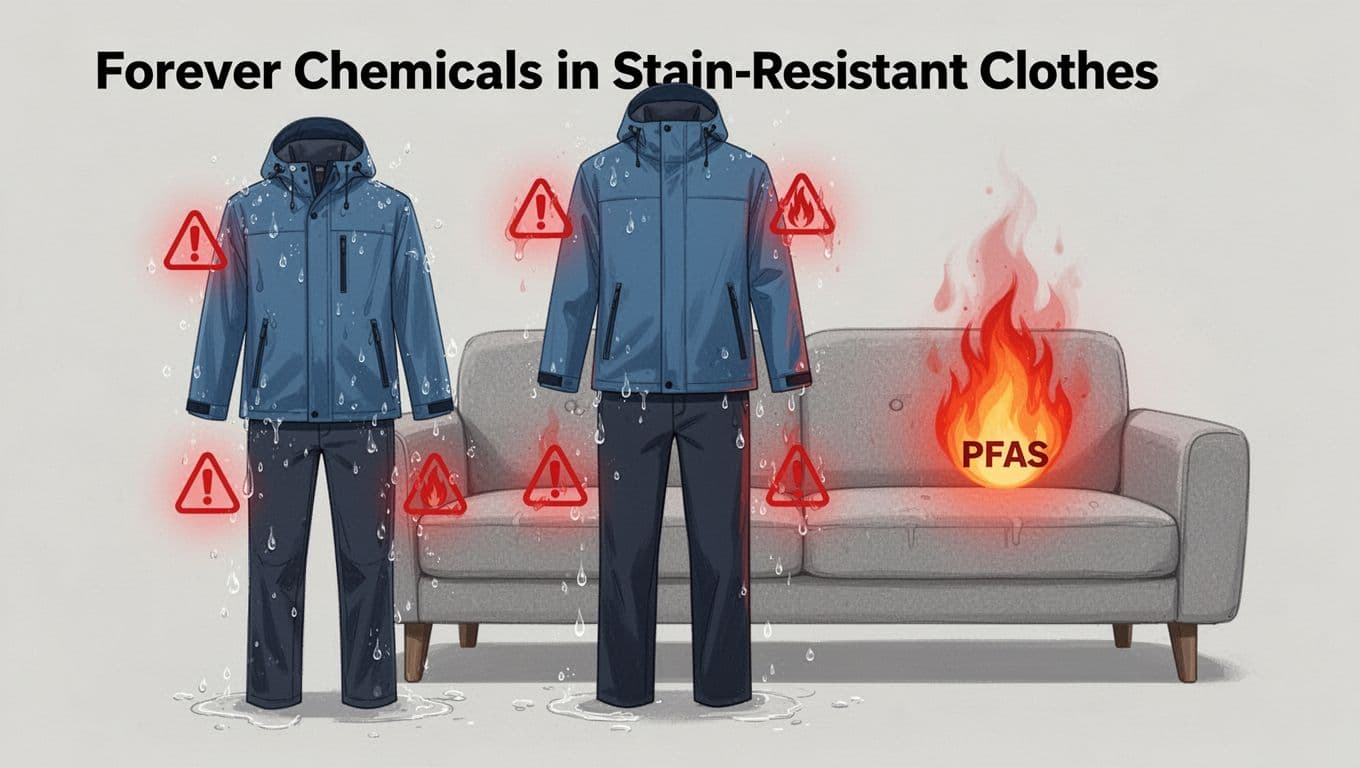
PFAS coat clothes and upholstery for water and stain resistance. They make rain jackets and couches repel spills. However, these forever chemicals linger forever. Your body stores them in blood and organs. Cancer, hormone disruption, and immune issues follow, as a Toxic-Free Future study shows.
Flame retardants in sofa foam fight fire but release toxins too. California lists them under Prop 65 for cancer risks. They off-gas into air, especially when new. Phthalates soften fabrics; they leach out and mimic estrogen. Hair extensions sometimes carry styrene or naphthalene, adding cancer threats via skin contact.
Dust traps these chemicals. Kids and pets pick them up easy. Wash new items three times before use. This cuts off-gassing by half. Ventilation helps too. Open windows near furniture.
Natural Materials for a Fresher Home
Choose cotton or wool instead. These natural fibers breathe without chemicals. Untreated organic cotton avoids PFAS entirely. Wool repels stains naturally, so no added treatments needed.
Look for labels like GOTS certified or PFAS-free. They guarantee clean production. The Good Trade lists top PFAS-free brands for clothes and upholstery. In short, these picks cut home pollution and protect ecosystems.
Your air clears up quick. Health stays strong because natural options break down safely. Switch one item at a time, like a cotton throw. You notice the difference right away.
2026 Trends and Tools for Smarter Shopping
Change speeds up in 2026. States lead with bans on PFAS in cosmetics, cleaners, food packs, clothes, and furniture. Clean products boom as a result. You gain easier access to safer options across categories. Free-from labels like PFAS-free or phthalate-free pop up more. These shifts help you shop smarter without guesswork.
New Laws and Clean Product Booms
States act first because the FDA lags on full bans. For example, Colorado and Maine ban PFAS in cleaning products and textiles starting January 2026. Connecticut requires labels on apparel and furniture. See the MultiState PFAS legislation update for details. Vermont and others target food packaging too. Prop 65 in California demands warnings on high phthalate or PFAS levels.
The EU moves faster. It restricts over 1,600 chemicals in cosmetics, including some parabens. US brands follow suit to sell there. Clean booms follow; companies drop toxins voluntarily after the FDA’s 2025 PFAS report.
Here’s a quick state snapshot for 2026:
| State | Key Bans or Rules |
|---|---|
| Colorado | Cleaners, textiles, cookware |
| Maine | Cosmetics, furniture, cleaners |
| Connecticut | Apparel, furniture labeling |
| New York | Menstrual products (Dec) |
These laws boost clean beauty and beyond. Stock up on verified options now.
Apps and Habits to Make Checking Easy
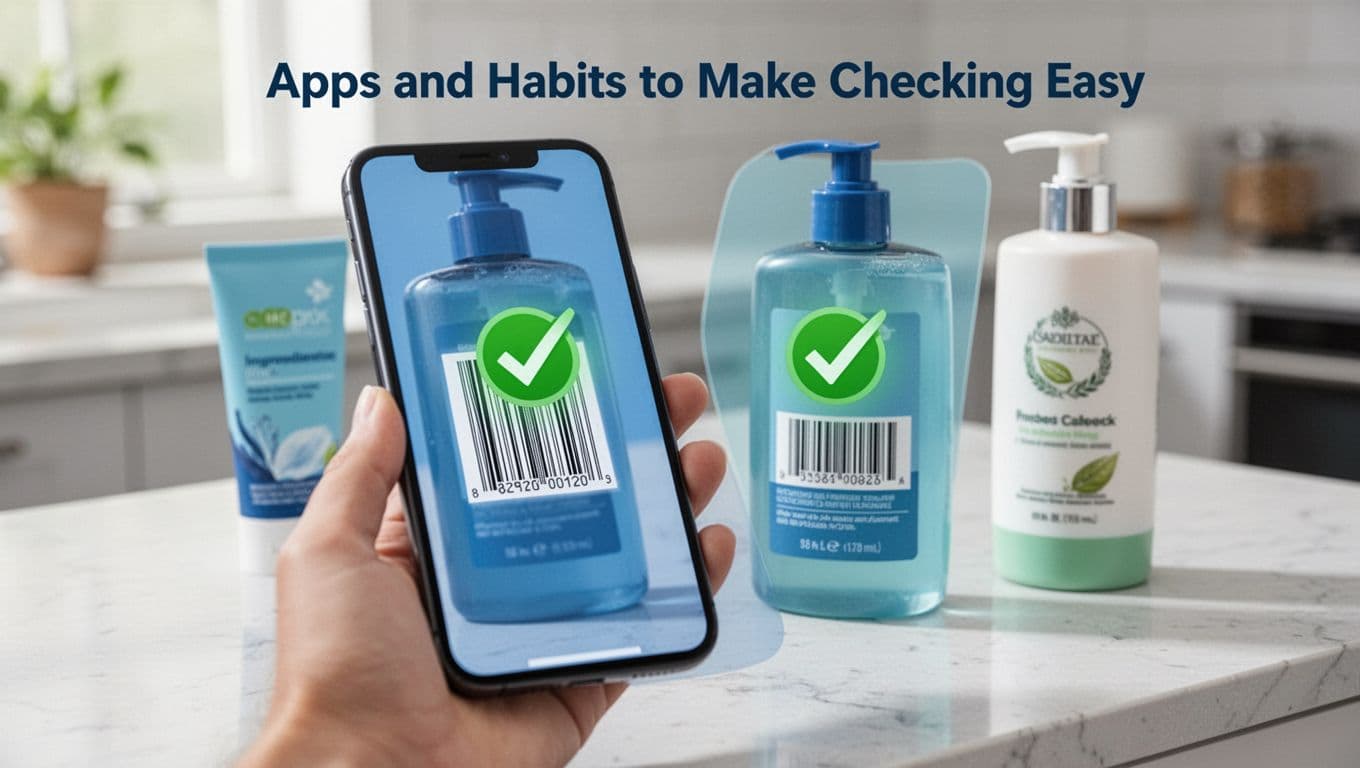
Apps simplify scans. Clearya flags toxins in beauty, cleaners, and baby items via camera. Download it from the App Store. SkinSafe rates products for allergies and chemicals. EWG’s Healthy Living covers food, cleaners, and more with science-backed scores; try their app page.
Build habits too. Start with your most-used items, like shampoo or counter spray. Scan barcodes in stores. Small swaps cut exposure fast; replace one weekly. Check “fragrance-free” claims against apps because they hide phthalates sometimes. Shop sales on certified clean lines.
These tools empower you. In short, verify before you buy. Your home stays safer year-round.
Conclusion
You now know the ingredients to watch closest. Skip PFAS and phthalates across cosmetics, food packs, cleaners, clothes, and furniture. They hide in fragrances, wrappers, and stain treatments. Natural swaps like ceramides, glass jars, plant oils, and organic cotton work better.
These choices guard your hormones and cut cancer risks. They spare the environment from forever pollution too. Health wins big because your body clears toxins faster.
States ramp up bans in 2026, so safe options flood stores. Pick one product to check this week. Grab an app like EWG’s Healthy Living, scan it, then share with family.
The FDA found 51 PFAS types in 1,700-plus cosmetics. Which swap starts your cleaner routine?