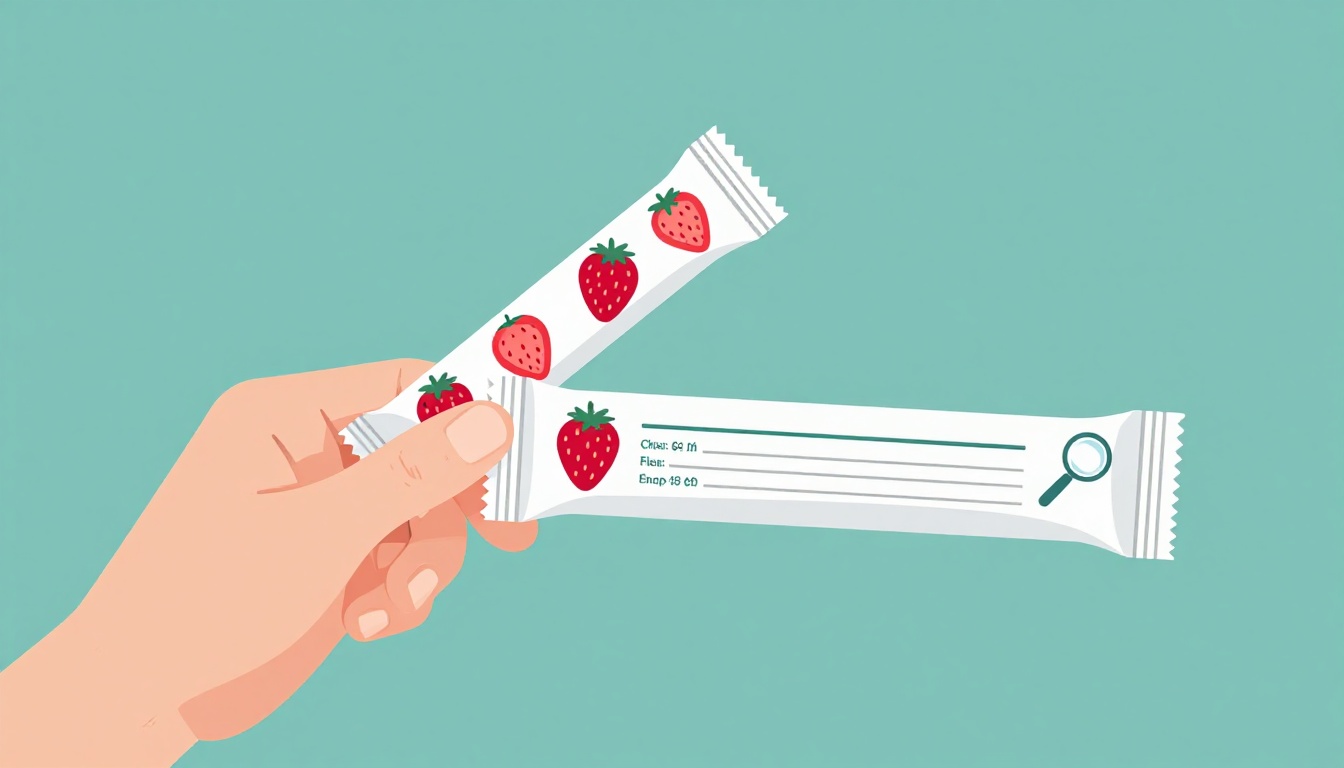
You grab a box of fruit roll-ups off the shelf. Bright strawberries smile back from the front. But flip it over, and the ingredients show mostly pear concentrate and flavoring, with real strawberries buried low on the list. This happens all the time in 2026 stores. Shoppers fall for these tricks because packaging promises health, freshness, or eco-friendliness that contents don’t deliver.
Misleading information on packaging hurts your wallet, health, and the planet. You pay extra for “natural” snacks loaded with sugar. Your body gets ultra-processed junk linked to obesity and diabetes. Meanwhile, greenwashing claims boost plastic waste since fake recycling symbols confuse everyone. Regulators like the FDA push back with front-of-pack labels and ultra-processed food definitions this year. But companies still bend rules.
You can fight back. This guide shows simple steps to spot lies. Check ingredients first. Watch serving sizes. Question green claims. Verify seals. These tricks save money and build smart habits. Start with the back panel next time you shop.
Spot Sneaky Ingredient Claims That Fool Most Shoppers
Brands love front-panel boasts. They say “made with real fruit” or “clean ingredients.” Yet 2026 lawsuits hit hard on these. Fruit roll-ups claim strawberries but use under 2% real fruit. Garden wraps tout veggies with just spinach powder amid dough and fillers. Always flip the package. The full ingredients list tells the truth.
Ingredients appear in order of weight. If sugar, corn syrup, or oils top the list, ignore health hype. Vague words like “natural” or “wholesome” lack FDA rules. Candy bars call themselves “simple” despite high sugar. For example, the FDA has no strict definition for “natural,” so check their guidance on the term to see why it fools people.
Shoppers waste cash on these. A “clean label” wrap costs more but packs ultra-processed stuff. Courts see suits double this year over such claims. Therefore, read every label. Your health depends on it.
Decode ‘Made With’ and Artificial-Free Promises
“Made with real fruit” sounds great. But it means trace amounts, often last on the list. Pictures show bursting berries. Reality hides flavor extracts instead. No law requires a minimum percentage.
“No artificial colors” claims pass FDA checks if no petroleum dyes appear. Still, lab-made sources sneak in kid candies. Brands switch to beet juice powder but keep sugar high. Compare before and after. Real changes cut additives across the board. Pictures on front rarely match contents. So trust the list over photos.
Beware Unregulated Buzzwords Sounding Healthy
Buzzwords sell. “Low-fat” swaps fat for sugar or sodium. Yogurts do this often. “Wholesome” graces sugary cereals with no legal backing. Honey in candy mixes with corn syrup; it counts as added sugar.
FDA regulates terms like “sugar-free” tightly. Others stay free-for-all. A 2026 bill targets ultra-processed labels on such items. However, until rules hit, doubt the hype. Scan for hidden sugars in top spots.
Crack the Code on Nutrition Labels and Serving Tricks
Nutrition panels hide games too. Serving sizes look tiny on purpose. One cookie shows 100 calories. Most people eat three, so triple it. Cereal bowls claim low sugar per “serving,” but reality triples intake.
“Lite” or “health” badges mask sodium spikes. Chips cut fat but load salt. Always match label servings to your habits. Calculate real numbers. For instance, double or triple as needed.
This design misleads because small portions flatter stats. Chips list half a handful. Cereals show kid-size bowls adults ignore. Do the math. Your portion times label values give truth.
Understand Why Serving Sizes Don’t Match Reality
Labels set servings for averages, not you. A 2026 FDA push adds front warnings for sugar and fat. Still, packages lag. Chips offer 15 pieces; bags hold double.
Take cereal. One cup looks low-cal. Pour two, and sugar jumps. Multiply accordingly. Apps help, but panels work fine. Adjust every time.
Expose Greenwashing and Fake Recycling Symbols
Green claims explode in 2026. “100% recycled” often mixes virgin plastic via mass-balance accounting. Companies count pyrolysis oil as full recycle credit despite 95% new oil. Scandals hit snacks and wraps.
California’s SB 343 bans false symbols unless 60% recyclable statewide. It starts October 2026. Chasing arrows vanish without proof. A federal lawsuit from food groups challenges it as speech limits. Check California SB 343 compliance details for exact rules.
Paper packs hide plastic liners. Cosmetics bottles boast “eco” without backing. Test local recycling rules. Your bin decides fate.
Uncover Recycled Content Lies and Bookkeeping Scams
Mass-balance tricks label mixes as pure recycled. Experts demand physical tests over math games. Brands mix oils but claim full green. Proof needs supply chain records.
Household cleaners pull this too. Demand transparency. Local laws tighten in 2026.
Navigate Recycling Symbols and Sustainability Hype
Chasing arrows confuse nationwide. California’s law requires 60% collection and sort rates. “Eco-friendly” lacks checks. EU gaps persist, but US follows.
Verify with city sites. Drop unproven claims.
Verify Seals, Certifications, and Emerging Tools
Real seals build trust. USDA Organic means strict farm rules. Non-GMO Project verifies no engineering. Fake logos mimic them.
Scan QR codes for origins now. 2026 trends show them on recycling info too. FDA eyes ultra-processed warnings; states add labels. Google cert orgs. Cosmetics follow food rules.
Check Legit Certifications vs Made-Up Logos
Trusted ones include:
USDA Organic: Third-party checked.
Non-GMO Verified: Lab-tested.
Search “[cert name] official site.” Fakes look glossy but lack backing. FTC cracks down on lies.
You hold power now. Read ingredients first because order reveals stars like sugar. Doubt buzzwords; they lack rules. Adjust servings to your plate. Question green boasts and verify symbols locally. Check seals and scan QRs for proof.
Front panels tempt. Backs deliver facts. Regulations tighten in 2026 with FDA definitions and state labels. Shop smarter next trip.
Share your finds in comments. What tricked you lately? Sign up for consumer tips to stay ahead.